
Professional management systems solve this by centralizing operations, performance tracking, and decision-making into one platform. Whether you're running an HR department, a law firm, or an industrial laundry plant, the right system turns scattered data into clear action.
This guide breaks down what these systems are, the main types available, best practices for implementation, and the essential tools every system should include.
Key Takeaways
- Professional management systems combine scheduling, performance tracking, and reporting into a single platform
- The best system depends on your industry, business size, and specific pain points
- Top systems pair automation with real-time visibility, cutting labor costs and boosting plant efficiency
- Industrial laundries and textile service operations use plant management systems to gain real-time visibility into operations
What Is a Professional Management System?
A professional management system is a structured software framework that helps organizations plan, monitor, and optimize operations, people, and performance. The term applies differently depending on the industry.
Administrative systems handle scheduling, billing, and records. Operational systems manage production, workflow, and automation on the floor.
In HR, "PMS" specifically means Performance Management System, software that tracks employee goals, feedback, and reviews. SHRM defines this as aligning individual performance with business goals-not just an annual review form.
Beyond HR: Industrial Plant Management
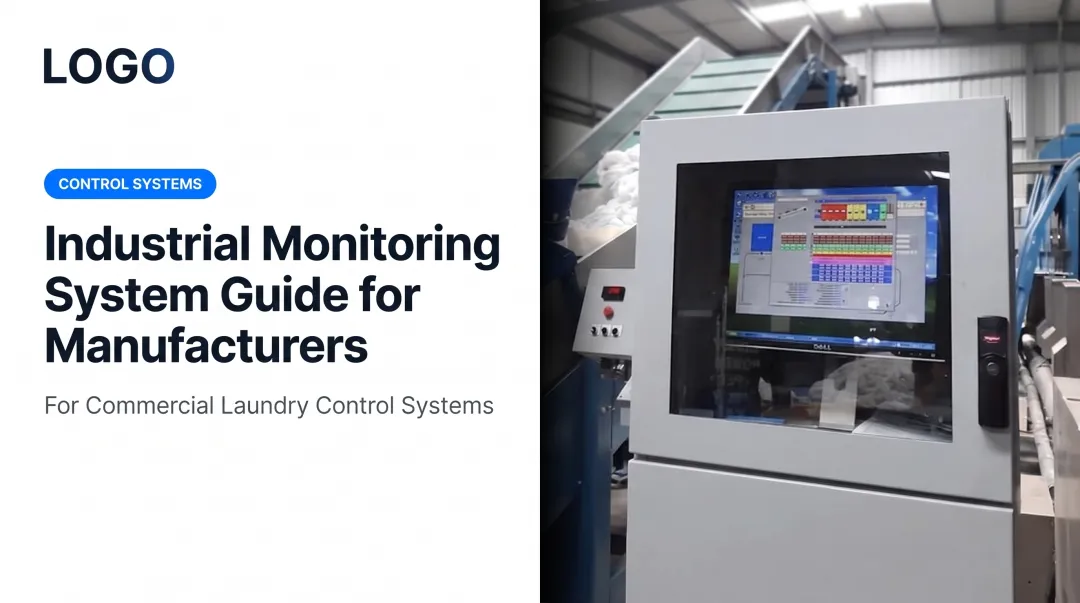
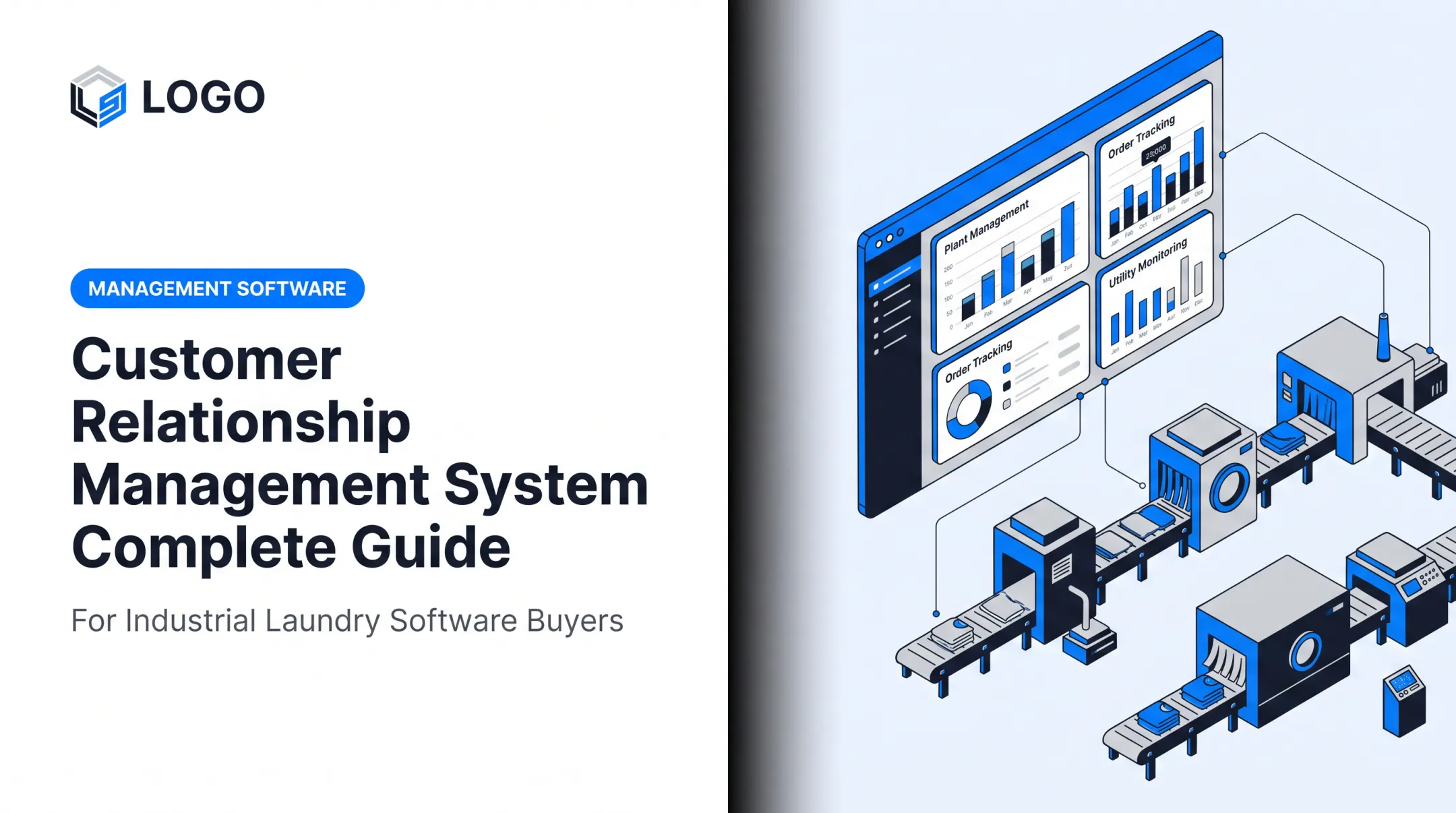
In industrial settings, management systems extend far beyond HR functions into plant and process control. Take Softrol's Total Plant Management software as an example.
It provides a single entry point for information across an industrial laundry's entire operation, from sorting through finishing. The system:
- Collects real-time data from multiple production points
- Delivers instant reports and feedback
- Monitors machine utilization and plant throughput
- Flags bottlenecks before they become costly
This is the same core concept as HR performance management, just applied to machines and production lines instead of employee reviews.

Types and Examples of Management Systems
Not all management systems solve the same problem. Here's how the major categories break down:
| Category | What It Manages | Example Use Case |
|---|---|---|
| HR/performance management | Goals, feedback, reviews | Setting quarterly employee objectives |
| Practice management (healthcare) | Scheduling, billing, eligibility | Managing patient appointments and claims |
| Legal case management | Matters, deadlines, conflicts | Tracking case documents and court dates |
| PSA/project management | Resources, time, invoicing | Allocating consultants across client projects |
| Plant/operations management | Production, labor, machine data | Monitoring a laundry's sort-to-finish workflow |
Real-World Examples Across Industries
Healthcare platforms like athenahealth handle administrative and billing work distinct from the clinical record, while legal tools like Clio coordinate matters, calendars, and billing. Professional services firms rely on PSA platforms to manage the full quote-to-cash lifecycle, per Gartner's 2024 market guide.
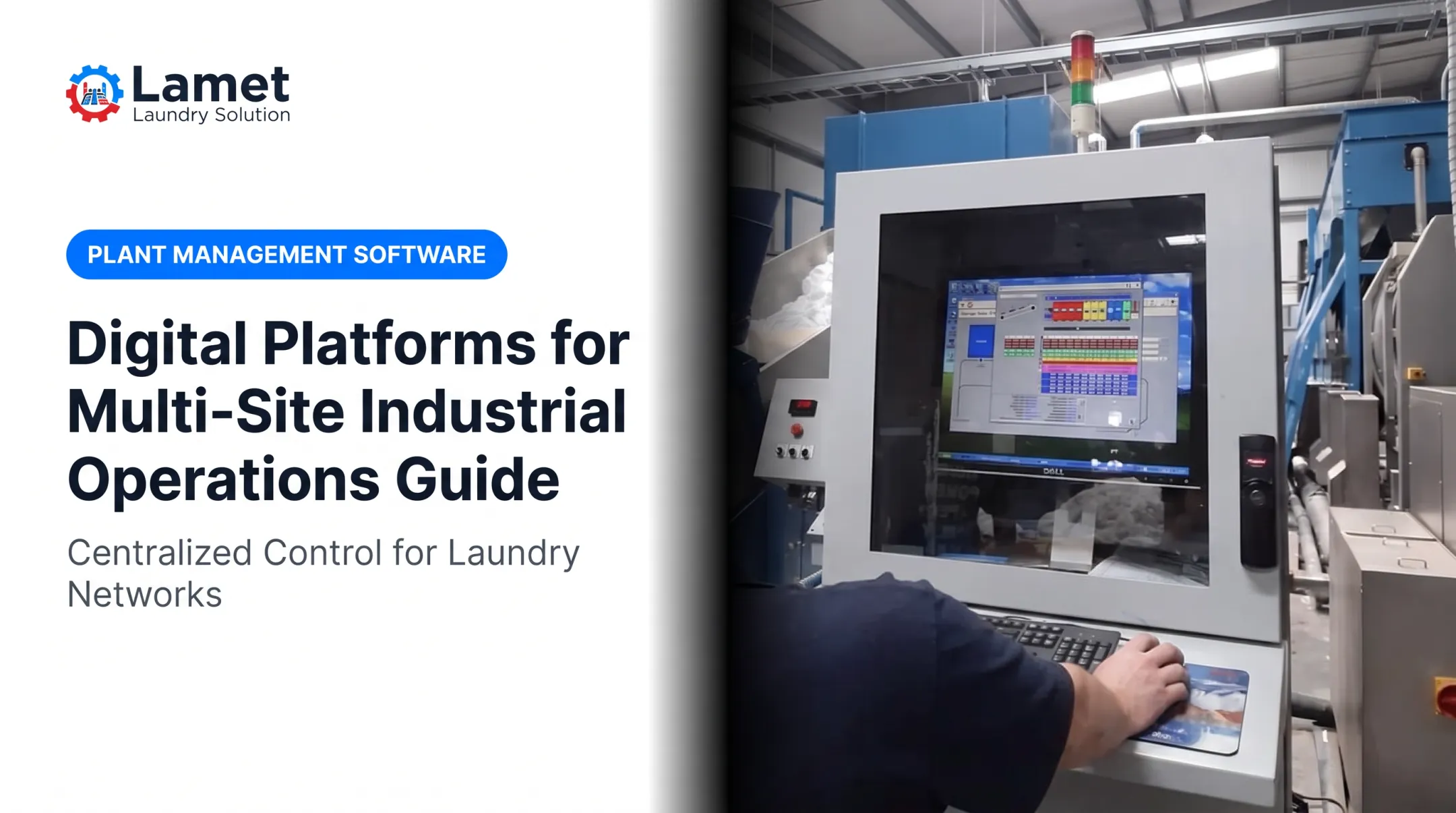
Industrial automation platforms function the same way, just for physical plants. Softrol's PulseNet tracks machine performance and labor efficiency through touchscreen SmartStations on the plant floor. It monitors operator work and machine utilization in real time, then generates automated production reports.
Its companion system, LOIS (Laundry Operation Information System), gives managers browser-based access to plant data from smartphones, tablets, or PCs. Where PulseNet captures detailed floor-level activity, LOIS provides centralized, multi-site visibility for management.

Best Practices for Implementing a Management System
Buying software without a plan is how implementations fail. Here's what actually works.
1. Start with clear goals. Identify your specific pain point first: labor costs, scheduling chaos, or lack of plant visibility. Deloitte's 2025 research found only 2% of CHROs believed their performance management system actually works-usually because the process, not the software, was broken from the start.
2. Centralize data for real-time visibility. Before real-time reporting, many plant supervisors had no immediate insight into operator performance or machine conditions. Softrol's PulseNet Production System changed that for one customer by monitoring more than 30 employees simultaneously, letting managers act without waiting for end-of-day totals.
3. Prioritize integration. A system that can't talk to your existing tools creates new data silos instead of eliminating old ones. Softrol's controls, for instance, connect with third-party equipment including Milnor CBW tunnel systems and Chicago Dryer finishing equipment, transferring load and process data automatically.
4. Involve end users early. Resistance kills adoption. Train the people who'll use the system daily, not just the managers who approved the purchase.
5. Monitor and refine continuously. McKinsey's 2022 automation survey found that while 70% of companies piloted automation, fewer than 20% scaled it across multiple business areas. Piloting isn't the finish line.

The 5 Essential Management Tools Every System Should Include
Regardless of industry, effective systems share five core capability families:
- Goal and performance tracking - Sets measurable objectives with owners, deadlines, and progress status
- Scheduling and resource allocation - Exposes conflicts, workload, and capacity before they cause problems
- Reporting and analytics client workspaces - Turns raw data into decisions managers can act on immediately
- Communication and feedback tools - Keeps discussion tied to the actual work, case, or production line
- Automation and remote monitoring - Extends visibility beyond the office walls
That fifth capability is where Softrol's LOIS (Laundry Operation Information System) stands out. It delivers real-time email alerts to plant managers around the clock, paired with 24/7 monitoring of important plant functions.
Managers can check performance across multiple sites from a single login instead of being tied to one location. For multi-plant operators, this remote visibility often determines whether small issues get caught early or turn into costly downtime.

How Softrol Approaches Professional Plant Management
Softrol has built industrial automation systems for the textile services industry since 1987. Its approach centers on two connected tools.
Total Plant Management software acts as a single entry point for sort-to-finish operations. It pulls data from production points across the plant, monitors throughput against capacity, and helps managers adjust labor or equipment before small issues become bottlenecks.
LOIS, introduced in 2015, extends this further with remote access. By 2019, LOIS Rail added Pan-N-Zoom technology, letting operators view an entire rail system in real time and zoom into individual components for diagnostics.
Customer implementations show the impact:
- Aramark's facility processed over 40,000 garments daily with a SoftSort installation, cutting sorting labor from 10 employees to two
- Faultless Linen raised Pounds Per Operator Hour from 90 to 140 within four months of adopting PulseNet

With over 34 years of experience and work with companies like Gildan Activewear and Mission Linen & Uniform Service, Softrol's track record shows a clear pattern: plants that connect real-time data to daily decisions cut labor costs and boost throughput fastest.
Frequently Asked Questions
What are examples of management systems?
Common examples include HR performance systems (like Workday), practice management software for healthcare and legal, PSA (Professional Services Automation) tools for professional services, and industrial plant management systems like Softrol's Total Plant Management.
What is a PMS system in HR?
In HR, PMS stands for Performance Management System. It's software used to set employee goals, track progress, gather feedback, and manage performance reviews throughout the year.
What are the 5 management tools?
The five core tools are goal/performance tracking, scheduling and resource allocation, reporting and analytics, communication and feedback tools, and automation with remote monitoring capabilities.
How do I choose the right management system for my business?
Start by identifying your specific operational pain points, then evaluate integration capability with your existing tools, scalability for future growth, and the quality of vendor support you'll receive.
Are management systems only for HR or can they apply to industrial operations?
Management systems span far beyond HR. They're used in medical and legal practice administration, professional services delivery, and industrial plant or process operations like textile manufacturing.
What makes a management system effective long-term?
Long-term effectiveness comes from continuous performance monitoring, strong integration with existing tools, and genuine user adoption. Systems that sit unused, no matter how advanced, deliver zero value.