
Here's where confusion creeps in: "automated textile sorting" actually describes two completely different technologies. One sorts textiles by fiber and material composition for recycling. The other sorts clean garments back to the right customer, route, or storage bin inside a laundry plant. Buyers who mix up the two end up shopping for the wrong system entirely.
This guide breaks down how each type works, compares the leading technologies side by side, and helps textile services operators figure out which system actually fits their operation.
Key Takeaways
- Automated sorting divides into fiber sorting for recyclers and garment sortation for laundries.
- NIR and hyperspectral imaging lead recycling sorting; barcode, RFID, and image readers lead garment sortation.
- Full automation cuts labor costs and boosts accuracy, though results vary by plant volume.
- Rail-based, image-based code readers, like Softrol's, are now the standard in garment sortation.
What Are Automated Textile Sorting Systems?
Automated textile sorting uses sensors, imaging, software, and mechanical conveyance to classify and route textiles without hands-on labor at every touchpoint. That's the simple definition. The complicated part is understanding why the technology diverges so sharply depending on the goal.
Automated textile sorting splits into two distinct technology paths. Material recovery sorting determines fiber composition, blend ratio, and color so recyclers can route garments into the correct recycling stream. Garment sortation, by contrast, identifies clean, laundered items and routes them back to the correct customer, delivery route, or storage location inside a plant.
Both paths matter because the scale of the problem is staggering. The world generates 92 million tonnes of textile waste every year, according to a 2025 UNEP press release marking International Day of Zero Waste. That kind of volume simply cannot move through hand-sorting lines fast enough.

From Manual Lines to Full Automation
Sorting didn't start automated. Early operations relied entirely on workers eyeballing fabric and reading labels. Labor shortages and rising throughput demands pushed both industries toward automation, but not on the same timeline.
Industrial and institutional laundries actually got there first. Daily processing volume, not sustainability pressure, forced the shift. A hospital linen contract or a uniform rental route doesn't wait for a quarterly sustainability report; it needs thousands of garments sorted correctly by tomorrow morning.
Recyclers came to automation later, driven more by material purity requirements and shrinking labor pools willing to hand-sort waste textiles.
Types of Automated Textile Sorting Systems Compared
There's no single "best" system. The right technology depends entirely on whether you're recovering material or redistributing garments. Here's how the four dominant approaches stack up.
| Technology | Primary Use | Best For |
|---|---|---|
| NIR/Hyperspectral | Fiber & color identification | Textile recyclers |
| Barcode/RFID | Garment ownership & routing | Uniform rental, healthcare linen |
| Image-based code readers | High-speed garment ID | High-volume industrial laundries |
| Rail-based conveyors | Physical garment routing | Large-scale plants (5,000+ garments/day) |
NIR and Hyperspectral Material Sorting (Recycling-Focused)
Near-infrared and hyperspectral sensors read the molecular signature of fabric to identify fiber type and color, then route garments accordingly. Sweden's Siptex facility, operated by Sysav with equipment from Stadler and TOMRA, is one of the largest examples in operation.
According to IVL's Siptex summary report, the facility runs multiple NIR/VIS scanning units with a design capacity of 4.5 tonnes per hour, distinguishing between 16 different fiber types. Three units sort simultaneously into separate fractions, while a fourth pass improves purity for harder-to-separate materials.
Feedstock limits matter here too. The system can't process items that are damp, contaminated, multilayered, or outside a 0.2–2 meter size range, so manual pre-sorting still has to catch those first.
Lab-based research backs up the accuracy potential. A study published in Resources, Conservation and Recycling tested an online NIR system paired with a convolutional neural network across 13 textile categories, achieving above 95% identification accuracy at under two seconds per sample.
Barcode and RFID-Based Garment Sortation
For laundries, the sorting question centers on ownership and destination: whose item is this, and where does it need to go? Barcode tags and RFID chips answer that instantly as garments move through the plant.
Each tagged item carries a unique serial number. Scan it, and the system knows the customer, route, or department it belongs to. This matters most in:
- Uniform rental programs tracking thousands of garments across multiple customer accounts
- Healthcare linen services managing lab coats, scrubs, mops, and customer-owned goods
- Hospitality linen operations tracking loaned linens across multiple properties
Industry reporting from American Laundry News describes RFID systems used specifically for healthcare linen management, noting that RFID supports bulk scanning rather than one-by-one reads, a real time-saver compared to older barcode methods that required precise tag alignment.
Image-Based Code Reader Sortation
This is where things got faster. Optical camera-based readers scan garment codes at high speed without needing perfect line-of-sight alignment, which was the biggest bottleneck with older barcode scanning.
Softrol added advanced image-based code readers to its garment sortation lineup in 2021, specifically to maximize induction efficiency. The technology reads codes on the fly as garments move through the line, cutting down on the manual re-scans that used to slow induction whenever a tag wasn't perfectly positioned.
In practice, this means fewer stalls at the induction point and steadier throughput during peak processing hours.
Rail-Based Conveyor Sortation Systems
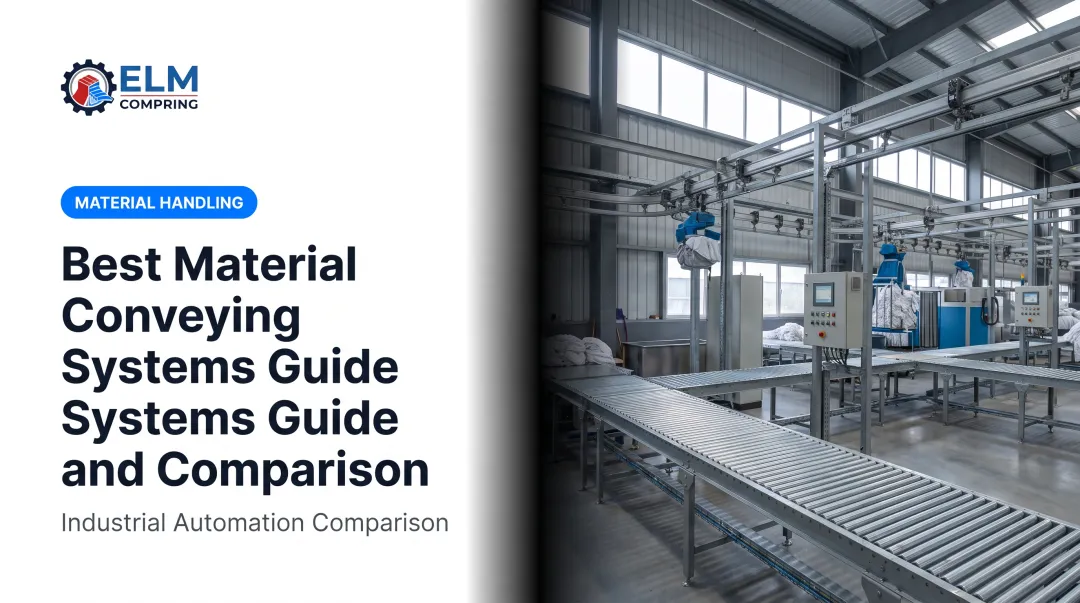
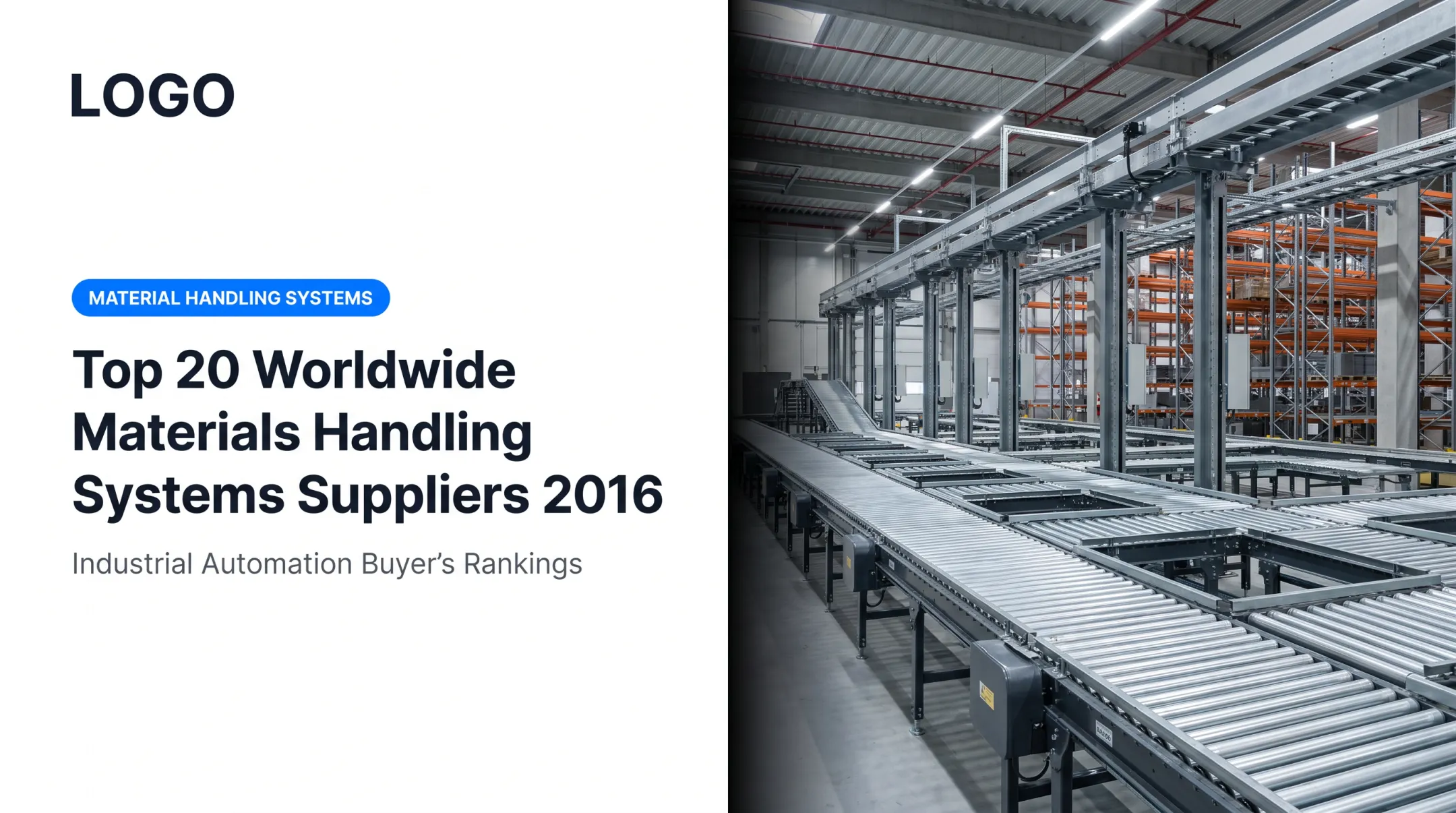
Rail systems physically carry garments on hangers along overhead tracks to pre-programmed destinations. This mechanical infrastructure requires significant capital investment, which is why it's typically reserved for higher-volume plants that can justify the cost.
Softrol's rail architecture, for example, includes:
- Melonited round rail for smooth, low-wear operation
- Overhead powered primary storage rails that use vertical space instead of eating up floor space
- Buffer rails for temporary holding before and after sorting
Real-world numbers back up the case for scale. At Aramark Uniform Services' Sacramento facility, a SoftSort rail system processed more than 40,000 garments per day at throughput exceeding 3,800 garments per hour. At Mission Linen & Uniform Service, a dual-induct rail system handled up to 3,500 garments per hour.
Quick comparison: Recyclers need NIR/hyperspectral sensors. Small-to-mid laundries lean on barcode or RFID tracking. High-volume industrial plants combine image-based readers with rail conveyance for maximum throughput.

How Automated Garment Sortation Works Inside a Textile Services Plant
The operational sequence in a laundry plant is straightforward on paper: soiled garments arrive, get washed and dried, then need to land back with the right customer before shipping. The complexity is in execution - misroute one garment and you've got a customer complaint on your hands.
Automation level depends heavily on plant size. Semi-automated systems, which pair manual assist with automated tracking, work fine for smaller operations that don't justify full rail infrastructure. Fully automated rail and induction systems, by contrast, serve high-volume, Fortune 1000-scale plants processing tens of thousands of garments daily.
Softrol's approach pairs rail infrastructure with image-based code readers at the induction point, so garments are identified without slowing the line down. At Aramark's Nashville facility, this combination supported automatic primary and final induction inside a ceiling-mounted, high-speed sortation design.
Real-Time Visibility Changes the Management Game
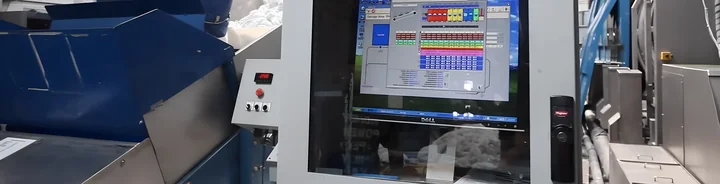
Once garments are moving through a rail system, plant managers need to see what's happening, not guess. Softrol's Pan-N-Zoom technology gives operators a to-scale, real-time view of the entire rail layout, with the ability to zoom into individual components and check item-specific status.
That visibility matters when something goes sideways. Instead of walking the floor to find a jam, a manager can spot it on a screen and dispatch someone directly to the problem.
Connecting Automation to Plant Data
Hardware alone doesn't finish the job. Softrol's LOIS platform (Laundry Operation Information System) gives operators remote, 24/7 access to plant performance data from any browser, phone, or tablet. Real-time alerts land by email, and a single login can monitor multiple plant sites at once.
For sortation specifically, this means production data, system health status, and preventive maintenance tracking are all available without walking the plant floor, turning automation into something you can actually manage remotely.
Key Benefits of Automated Textile Sorting Systems
The case for automation comes down to three things: fewer labor hours, better accuracy, and downstream quality gains.
Labor reduction is the headline benefit, and documented outcomes make it concrete:
- Aramark's Sacramento facility, running Softrol's Garment Sort System, cut sorting labor from 10 employees to 2 (a 70% workforce reduction) while exceeding 3,800 garments per hour.
- Mission Linen & Uniform Service reduced sort staffing from 13 operators to 3, generating labor savings equivalent to 18 full-time employees.

Accuracy improves too, since manual sorting is prone to human error, misreads, and inconsistent judgment calls - especially at speed. A 2026 mini-review on textile waste sorting notes that only 30-40% of fiber types were reliably identifiable from label inspection alone. Manual sorting, in other words, relies heavily on guesswork that automated systems eliminate.
For recyclers, better sorting means:
- Higher-purity material streams suitable for fiber-to-fiber recycling
- Fewer contaminated batches that downgrade recycled output
For laundries, it means:
- Fewer misdelivered garments and customer complaints
- Aramark's own plant manager reported a dramatic improvement in sort accuracy after implementation
Choosing the Right Automated Sorting System for Your Operation
Picking the right system means matching technology to your actual throughput and integration needs, not chasing the most advanced option on the market.
Start with volume. A plant processing 1,500 garments a day doesn't need the same infrastructure as one running 50,000. Softrol's modular systems, for instance, scale across that entire range, from smaller Hybrid Sort semi-automated configurations up to fully automated rail systems for high-volume operations.
Volume determines the machine's scale, but integration determines whether it fits your existing plant. Check integration before you commit. A new sortation system that can't talk to your existing wash aisle controls or plant management software creates a costly retrofit problem. Look for:
- Compatibility with current equipment: can the system integrate without ripping out working infrastructure?
- Software connectivity: does it feed data into your existing plant management platform, or create a separate silo?
- Modular upgrade paths: can you start small and expand as volume grows?
Integration determines how smoothly the system fits into your plant, but vendor support determines how it performs over time. For a plant running 24/7, downtime isn't an option. A strong vendor delivers:
- Turnkey installation and real training, not just a manual
- Ongoing technical support with clear service-ticket response times
- Round-the-clock availability for important issues
Frequently Asked Questions
Does clothing recycling really work?
Recycling works best when textiles are accurately pre-sorted by fiber type and color before processing. Automated sorting has meaningfully improved the viability and quality of recycled textile output compared to manual methods, though blended fibers still pose challenges.
What is the new technology in the textile industry?
Emerging innovations include NIR and hyperspectral sorting for recyclers, AI-based image recognition for fiber identification, and rail-based garment sortation paired with image-based code readers for laundries. Both sides of the industry are moving toward faster, less labor-dependent processing.
How accurate are automated textile sorting systems compared to manual sorting?
Automated systems generally match or exceed human sorting accuracy while running at far higher speed and consistency. Manual sorting depends heavily on individual judgment and label readability, which introduces more variability.
What industries rely most on automated textile sorting systems?
Industrial and institutional laundries, uniform rental services, healthcare and hospitality linen providers, and textile recyclers are the primary adopters. Each uses different sorting technology suited to its specific goal.
Can automated garment sortation systems integrate with existing laundry plant equipment?
Yes. Modern systems, including rail-based and software-driven platforms, are typically designed to integrate with existing wash aisle equipment and plant management infrastructure, minimizing the need for costly retrofits.
How much does an automated textile sorting system typically cost?
Costs vary widely based on plant volume and automation level, ranging from semi-automated Hybrid Sort configurations to fully automated rail systems. Because pricing depends on your specific throughput needs, request a tailored quote from your automation provider.