
Many facility managers struggle with the same core issues: conveyors that can't keep pace with growing volume, systems that damage delicate goods, and a frustrating lack of real-time data on throughput and downtime. This guide breaks down the major conveying system types, compares their strengths and weaknesses, and looks specifically at rail-based conveying for textile and laundry operations.
Key Takeaways
- No single conveying system fits every application-material type, distance, and layout all matter.
- Belt, pneumatic, screw, cable/disc, and rail-based systems each carry distinct cost and maintenance profiles.
- Automation software, such as Softrol's LOIS, adds plant-wide visibility that manual monitoring can't match.
- The right choice balances product integrity, space, energy use, and software compatibility.
What Is a Material Conveying System and Why It Matters
A material conveying system is the equipment and controls used to move bulk goods, garments, or other materials from one point to another within a facility. This can mean a mechanical belt, an enclosed pneumatic line, or an overhead rail carrying hanging garments.
The system you choose affects far more than transport speed. It shapes labor allocation, energy bills, and how much product gets damaged or lost along the way. ASME's B20.1 standard even governs conveyor design, installation, and safe operation, underscoring how much engineering rigor goes into this equipment category.
Industries leaning hardest on conveying systems include:
- Textile services and industrial laundries, where overhead rail systems move garments between wash, dry, and finishing stations
- Uniform rental and healthcare linen operations, which rely on sortation and tracking accuracy
- Food and bulk powder processing
- General manufacturing
Key Factors to Evaluate Before Choosing a System
Before requesting quotes, document these variables:
- Product integrity – Will the material break, degrade, or contaminate during transport?
- Facility layout – What's your available floor space, headroom, and routing complexity?
- Maintenance needs – How much downtime can you tolerate?
- Energy consumption – What's the real operating cost, not just the sticker price?
- Automation compatibility – Can the system talk to your existing plant software?
Comparing the Most Common Material Conveying System Types
There's no universal "best" conveyor. Each type fits a specific job.
| Type | Best For | Watch Out For |
|---|---|---|
| Belt | High-tonnage, long-distance transport | Many wear points; incline limits near 15 degrees |
| Pneumatic (dilute/dense) | Powders, granules, dust control | Gas velocity can exceed 5,000 ft/min; high energy draw |
| Screw/Auger | Wet or sticky materials, short runs | Limited distance and flexibility |
| Cable/Disc | Delicate bulk goods, flexible routing | Wear from abrasive or heavy materials |
| Bucket Elevator | Vertical lift of grains/powders | Generally the most maintenance-intensive category |
| Overhead Rail | Garments and soft goods | Requires structural support and access for maintenance |

Digger and centrifugal bucket elevator designs, in particular, can damage cohesive or friable materials, adding to their maintenance burden.
Material Conveying in Textile Services and Industrial Laundries
Garments and linens present a unique conveying challenge. Unlike rigid bulk materials, textiles are floppy, unpredictable, and difficult to sort at scale. A 2024 academic review on robotic cloth manipulation notes that deformability breaks the assumptions built into conventional handling systems, which is exactly why overhead rail conveying has become the industry standard for soft goods.
How Rail Systems Change the Game
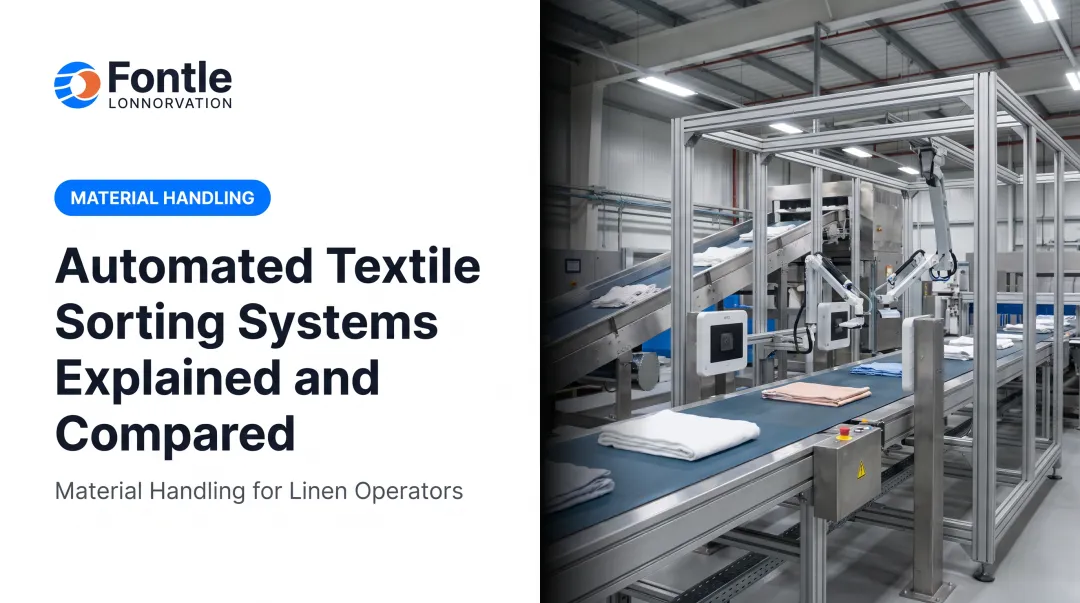
Rail-based conveying moves hanging garments overhead, freeing floor space and cutting the manual touches that slow sorting down. Softrol's rail systems use melonited round rail for smooth, quiet operation and a distributed control platform that isolates problems for faster troubleshooting.
At Aramark's Sacramento facility, Softrol's SoftSort autosortation system reduced sorting labor from 10 employees to 2, a 70% workforce cut, while processing more than 3,800 garments per hour. Plant Manager Bill Ledbetter put it simply: "Sort accuracy is improved and quality has never looked better."

A similar transformation played out at Mission Linen & Uniform Service, which replaced an outdated, carrier-based system that needed 13 operators across two shifts. The Softrol replacement runs on three employees, processes up to 3,500 garments per hour, and delivered labor savings equal to 18 full-time positions.
Visualization and Software Tie It Together
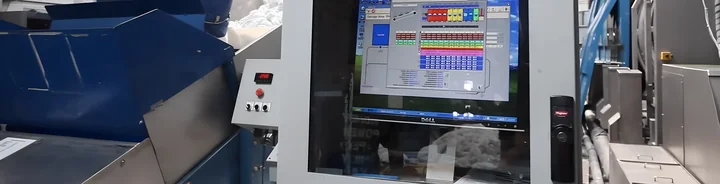
Softrol's Pan-N-Zoom technology, built into LOIS Rail, gives operators a real-time, to-scale view of the entire rail layout on a touchscreen. Zoom into any component to see item-specific data, I/O status, and even trigger a replacement parts quote automatically.

Beyond rail visualization, LOIS delivers broader plant performance data:
- Average turn time and processed weight
- Target versus actual weight rates
- Real-time alerts for canceled or non-credited loads
- 24/7 remote monitoring across multiple sites
How to Choose the Right Conveying System for Your Facility
Work through these questions before committing:
- Identify your material type and distance. Garments, bulk powders, and heavy goods each demand different technology.
- Weigh fragility and contamination risk. Pneumatic and enclosed systems protect sensitive materials; open mechanical systems don't.
- Calculate total cost of ownership. Installation, energy, and maintenance combined tell a very different story than sticker price alone.
- Check software compatibility. Softrol's Total Plant Management works across any Softrol product, pulling real-time data from multiple production points into one entry point, while LOIS gives you remote visibility into rail and plant performance data.

Common Mistakes to Avoid When Selecting a Conveying System
Even experienced plant managers fall into these traps when evaluating conveying systems:
- Sizing only for today's volume – A system that fits current output often becomes a bottleneck within a year or two of growth.
- Skipping software integration – A conveyor that can't feed data into your plant management system creates blind spots and slows decision-making.
- Chasing the lowest upfront price – A cheap screw conveyor can rack up power, wear, and downtime costs that dwarf the initial savings.
Frequently Asked Questions
What are the commonly used material conveyors?
The most widely used types include belt, pneumatic, screw/auger, bucket elevator, cable/disc, and rail-based conveyors. Each fits different material types and facility needs, from bulk powders to hanging garments.
What is the most cost-effective conveying system for small facilities?
Screw or belt conveyors are usually more cost-effective for shorter distances and smaller operations. Automated systems, including rail-based conveying, tend to pay off once volume scales up.
How do rail-based conveying systems benefit textile and laundry operations?
They cut manual handling, improve sorting accuracy, and free up floor space by moving garments overhead. Paired with software like LOIS, they also provide real-time visibility into rail performance and maintenance needs.
What is the difference between pneumatic and mechanical conveying?
Pneumatic systems use enclosed airflow to transport materials, offering strong dust control. Mechanical systems rely on physical equipment like belts, screws, or chains, which typically cost less upfront but involve more moving parts.
How often should a material conveying system be maintained?
Maintenance frequency depends on the system type. Mechanical conveyors with belts, chains, and bearings generally need more frequent servicing than enclosed pneumatic or rail systems.
Can conveying systems be integrated with plant management software?
Yes. Modern platforms like Softrol's Total Plant Management and LOIS integrate conveying data for real-time monitoring, bottleneck identification, and reporting across the entire facility.