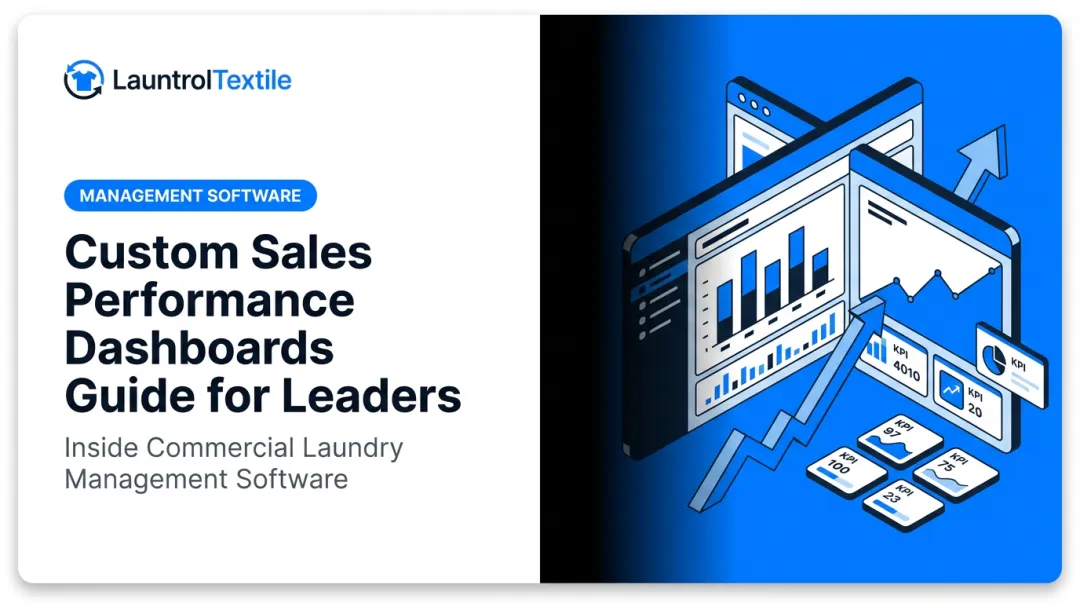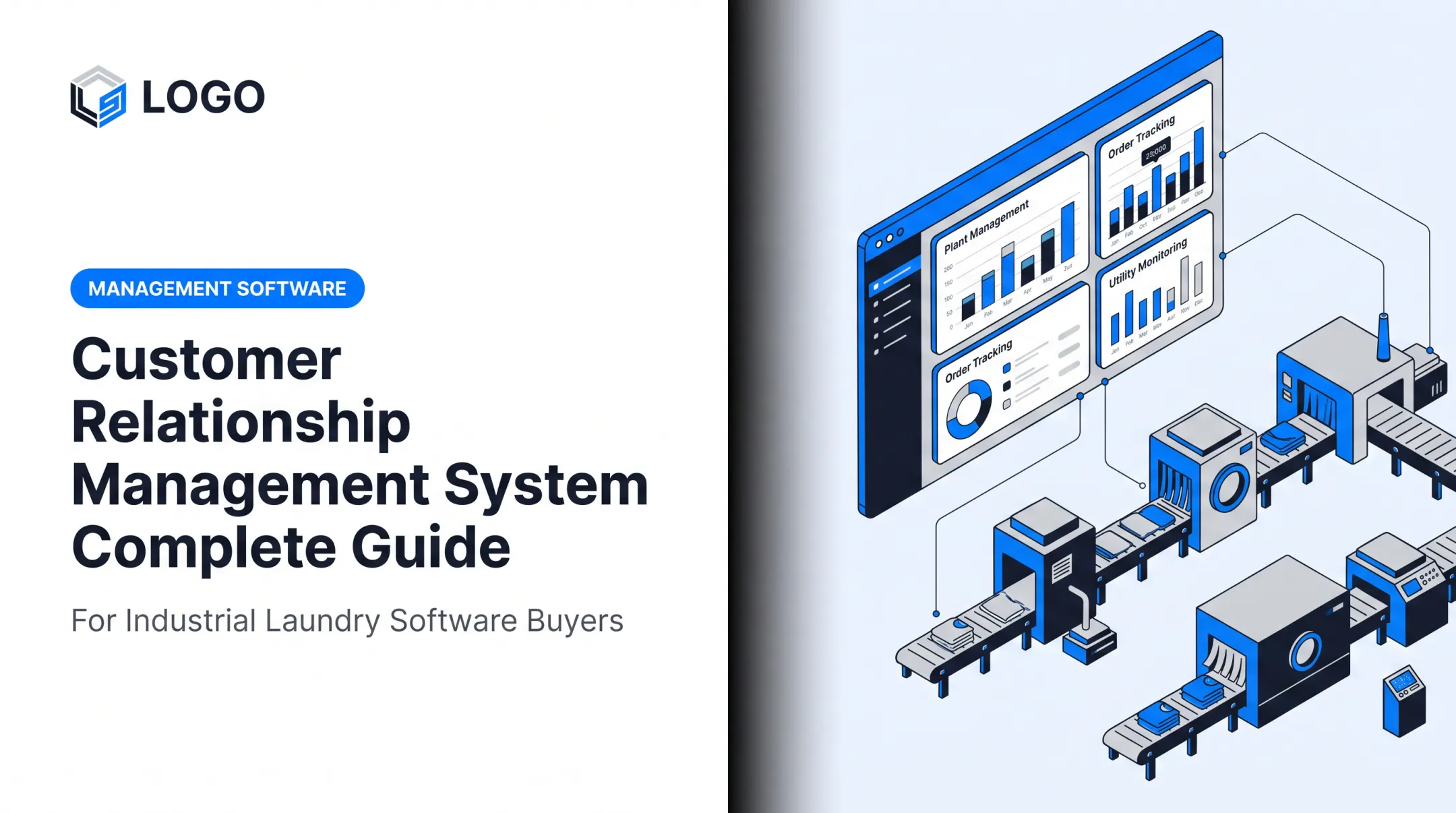

This scenario repeats across sales organizations of every size. The fix isn't another spreadsheet. It's a Management Information System (MIS) built for sales operations: a layer that pulls CRM, order, and revenue data into one place and turns it into reports people actually trust.
This article covers what a sales MIS is, the five types that make up a typical architecture, the core functions it performs, its real benefits, and how to pick the right one without buying more complexity than you need.
Key Takeaways
- A sales MIS connects CRM, order, and revenue data into a single reporting layer
- The strongest setups blend transaction processing, decision support, and CRM functionality
- Choose based on integration depth and reporting speed, not feature checklists
- Reps typically spend less than a third of their week actually selling, with an MIS cutting into the admin load
What Is a Management Information System for Sales Operations?
A sales MIS is a structured system that collects transactions, pipeline activity, and customer records, then converts them into reports managers use to track quotas, forecast revenue, and flag deal risk. Michigan Tech describes MIS broadly as sitting at the intersection of business and computing-sales operations is simply one applied version of that idea.
MIS vs. CRM: these aren't the same thing. Salesforce defines CRM as a system for managing interactions with customers and prospects. That's data storage and workflow. MIS is the layer on top: reporting, analytics, and visibility across finance, inventory, and operations-not just the customer record.
A sales-focused MIS typically pulls from:
- Order and transaction systems
- CRM platforms
- Marketing automation tools
- Finance and ERP software
Scalability: a five-person sales team can run a lightweight version of this. A national sales org needs the same core idea at higher volume.
A Parallel From Manufacturing Operations
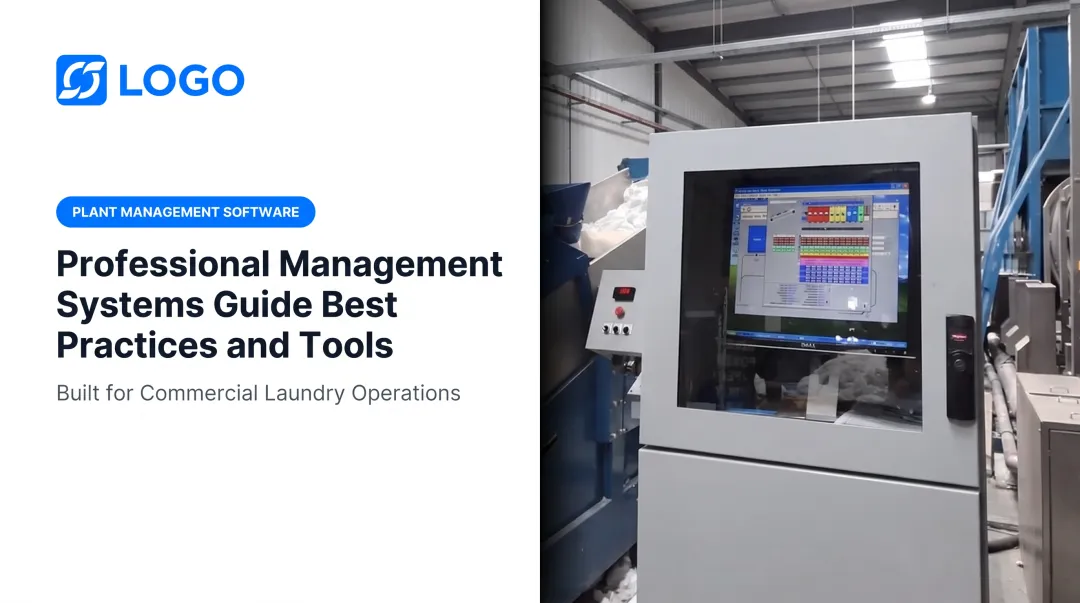
Industrial and manufacturing environments have long used similar information systems for operational visibility, even outside a sales context. Softrol Systems, which builds automation technology for industrial laundry operations, introduced its LOIS platform in 2015 specifically to give plant managers remote access to performance data.
LOIS pulls information from multiple production points into one client workspace, tracking things like machine utilization, throughput, and employee performance, then pushes real-time alerts by email. It's not a sales tool. But the underlying principle is identical to what a sales MIS does: gather scattered operational data, centralize it, and surface what matters without anyone digging through five systems.

What Are the 5 Main Types of Management Information Systems?
There isn't one universal textbook taxonomy, but these five types form a practical architecture for sales operations:
| Type | Role in Sales Operations |
|---|---|
| Transaction Processing (TPS) | Handles orders, invoicing, and payment processing day to day |
| Decision Support (DSS) | Models pricing, territory planning, and expansion scenarios |
| CRM | Tracks customer interactions, pipeline stages, and sales history |
| ERP | Connects sales data to inventory, finance, and fulfillment |
| Knowledge Management (KMS) | Stores playbooks, competitive intel, and rep best practices |

Where Adoption Actually Stands
Here's an honest gap: there's no verified, current statistic on CRM-ERP integration adoption specifically among mid-size US sales organizations. Forrester's 2023 data shows 70% CRM adoption for customer service and 64% for B2B marketing automation and sales force automation, but that's adoption of the tools themselves, not integration depth between them.
What we do have is performance evidence. Nucleus Research's 2025 analysis found that unifying CRM and ERP data drove an 8% average increase in recurring revenue per account and a 7% improvement in win rates. That's a stronger signal than any adoption percentage: connecting the two systems changes outcomes, even if we can't cite a universal adoption rate.
What Are the 5 Key Functions of a Sales Operations MIS?
Every sales MIS, regardless of vendor, performs the same five functions:
- Data Collection – Gathers activity from calls, emails, quotes, and closed deals across the funnel
- Data Processing – Converts raw logs into pipeline velocity, win-rate, and quota-attainment metrics
- Data Storage – Maintains historical records in a centralized database for trend analysis
- Information Dissemination – Delivers client workspaces, alerts, and scheduled reports to managers and reps
- Decision Support – Surfaces at-risk deals, underperforming territories, and upsell opportunities

Why This Matters for Rep Time
Salesforce's 2024 State of Sales report, covering 5,500 professionals across 27 countries, found reps spend just 30% of their time actually selling. The rest breaks down into manual data entry (9%), administrative tasks (9%), and prioritizing leads (8%).
That's roughly a quarter of the week lost to work an MIS is designed to automate. Separately, Slack's State of Work 2023 survey found employees using automation tools estimate saving 3.6 hours weekly-a useful proxy for what's possible, even though it wasn't measured specifically against sales client workspaces.
Benefits of Implementing MIS in Sales Operations
The case for MIS comes down to three practical wins:
- Faster forecasting - real-time pipeline data replaces the manual quarter-end scramble
- Better rep accountability - client workspaces showing quota attainment and activity remove the guesswork from performance conversations
- Cross-department alignment - shared visibility between sales, finance, and operations cuts down order errors and delays
Faster forecasting. A Forrester study commissioned by Clari found one composite customer organization cut forecasting activity by 33% and administrative time by 50%, with forecast variance improving from roughly 8-9% off target to 5-6%. That's a vendor-backed case study, not a universal guarantee, but it shows the mechanism works.

Better rep accountability. Client workspaces showing quota attainment and activity by individual or team remove the guesswork from performance conversations.
Cross-department alignment. This is where the manufacturing parallel holds up well: Softrol's Total Plant Management concept gives plant managers a single entry point for information gathered across multiple production points, letting them spot bottlenecks fast. Sales MIS does the same thing across sales, finance, and fulfillment instead of production lines.
Common Challenges and How to Choose the Right Sales MIS
Three failure patterns show up repeatedly:
- Data overload – Too many metrics, not enough clarity on what to act on
- Poor CRM-ERP integration – Systems that don't talk to each other create reconciliation headaches
- Low rep adoption – Complex interfaces get abandoned in favor of familiar spreadsheets
Salesforce's research backs this up directly: only 35% of respondents completely trust their organization's data, and 33% cite insufficient training as a barrier to adopting new sales technology.
Evaluation Checklist
Before choosing a sales MIS, check for:
- Integration capability with your existing CRM and ERP
- Mobile accessibility for reps in the field
- Scalability as headcount and deal volume grow
- Reporting customization without needing a developer
Industries with complex operations, like manufacturing and distribution, often need vertical-specific systems rather than generic sales tools. Softrol's work with clients like Aramark Uniform Services illustrates the principle: its LOIS platform gives plant operators remote, real-time visibility into performance data that a generic client workspace wouldn't capture.
Complex sales operations, especially those tied to physical fulfillment or multi-location inventory, often need that same depth of specificity rather than an off-the-shelf CRM report.
Frequently Asked Questions
What are the 5 main types of management information systems (MIS)?
TPS, DSS, CRM, ERP, and KMS. In sales operations, TPS handles orders while DSS supports pricing and territory decisions. CRM tracks customer history, ERP links sales to finance and fulfillment, and KMS stores playbooks reps can access.
What are the 5 functions of MIS?
Data collection, processing, storage, dissemination, and decision support. Together they turn raw sales activity into client workspaces managers can act on immediately.
How does an MIS differ from a CRM in sales operations?
CRM is a data source that manages customer relationships and pipeline. MIS is the broader reporting and analysis layer that often pulls CRM data in alongside order, finance, and marketing information.
Can small sales teams benefit from an MIS?
Yes. Cloud-based, scalable MIS tools make this accessible to a five-person team, not just enterprise sales organizations with dedicated ops staff.
What data should a sales operations MIS track?
Pipeline stage, quota attainment, win/loss rates, and customer account activity are the core data points most sales MIS platforms report on.
How long does it take to implement a sales MIS?
There's no universal timeline. Duration depends heavily on integration complexity with existing CRM and ERP systems, data cleanup needs, and how much custom reporting is required.