
Automated chemical systems solve this. These are computer-controlled dispensing and monitoring solutions that use sensors, pumps, and software to deliver precise chemical quantities in industrial and textile manufacturing settings-no guesswork, no inconsistent ratios.
This guide walks through what these systems include, how to design one, the benefits you can expect, and how to pick the right automation partner.
Key Takeaways
- Automated dosing eliminates the inconsistency and safety risks tied to manual chemical handling
- Strong system design hinges on dosing accuracy, PLC integration, and real-time monitoring
- Legacy equipment compatibility is a common hurdle but rarely a dealbreaker with the right partner
- Softrol's 35+ years designing chemical systems helps reduce implementation risk for new installations
What Are Automated Chemical Systems in Manufacturing
Automated chemical systems replace buckets, scales, and manual pours with sensors, pumps, and control software that dispense chemicals based on load size, formula, or process stage. The system calculates exactly how much of each chemical a process needs, then delivers it-no operator estimation involved.
Compare that to manual dosing, where accuracy depends entirely on the person measuring. Fatigue, inconsistent training, and simple human error all creep in. Automated systems remove that variable entirely.
These systems show up across several manufacturing contexts:
- Textile and laundry processing - detergent, bleach, and softener dosing tied to load weight
- Industrial cleaning - precise chemical ratios for cleaning and sanitizing operations
- Wet-process manufacturing - dye houses, finishing plants, and treatment lines
Softrol's ChemPulse systems, for example, have been deployed to deliver 13 different chemicals across eight dye machines plus a tunnel bleaching range at a Gildan Activewear facility-illustrating just how much complexity a single automated setup can manage.

Where AI Fits Into Modern Chemical Automation
In automated dosing, AI typically analyzes usage data to adjust dosing in real time, flag anomalies, and optimize formulas over time. A notable real-world example: Yokogawa and JSR used reinforcement-learning AI to autonomously control a chemical plant for 840 hours straight, managing distillation, product quality, and waste-heat use.
No single AI model is universally "best" for chemical dosing. Effectiveness depends entirely on how well the AI integrates with your existing plant control software and data systems. A powerful algorithm that can't talk to your PLC is worthless on the floor.
Softrol's LOIS platform takes a more grounded approach: rather than a black-box AI model, it delivers real-time email alerts and browser-based client workspaces that flag chemical-delivery failures as they happen. Operators can monitor multiple sites from a phone, tablet, or PC, 24/7. It's data-driven logic focused on catching problems fast, not predictive modeling for its own sake.
Core Components of an Automated Chemical System Design
Every automated chemical system, regardless of vendor, is built from the same core building blocks.
- Dispensing hardware: Pumps, injectors, and flow meters calibrated for precise volume control. DXP's breakdown of dosing systems identifies diaphragm, peristaltic, piston, and solenoid-driven pumps as the standard options, paired with tanks sized for 2 to 3 days of chemical demand.
- Control software/PLC integration: This is the brain of the system: it triggers dosing based on formula, load weight, or cycle stage, and ties into existing plant management systems.
- Sensors and feedback loops: Monitor concentration, temperature, and flow to maintain accuracy in real time. A properly calibrated flow meter can deliver within plus or minus 3% of the requested dose.
- Data logging and remote monitoring: Captures usage trends and sends alerts when levels run low or something goes wrong.
- Safety interlocks: Automatic shutoffs and alarms to prevent overdosing.

Vendor case studies report significant waste reduction from automation. One textile chemical supplier claims 75% lower hydrosulfite use and 80% lower caustic soda consumption after switching to automated dosing, though these are company-reported figures rather than independent benchmarks.
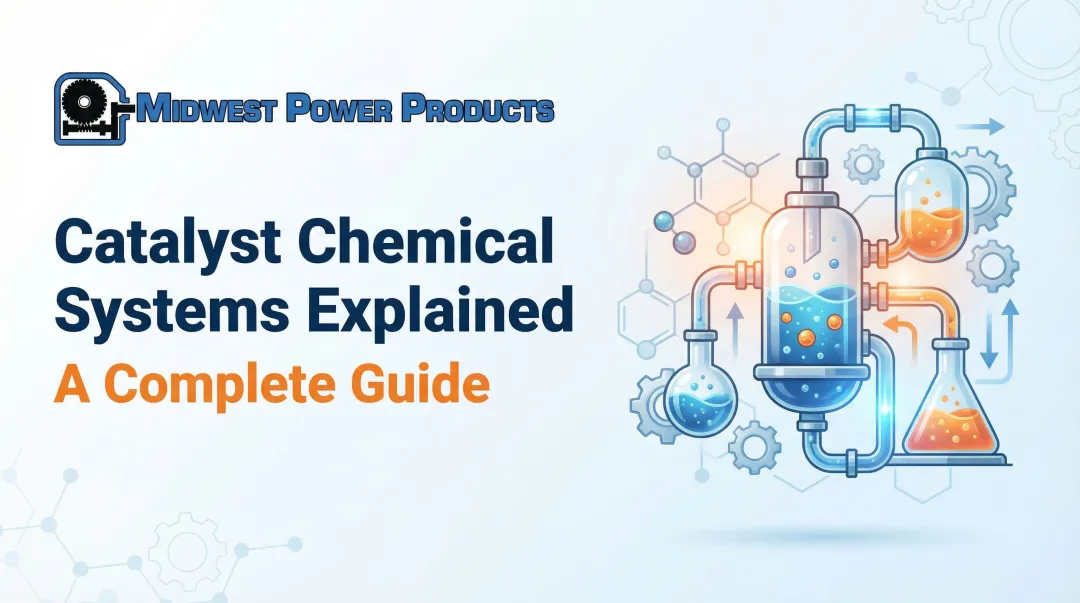
Softrol's Catalyst line applies flow-meter-based volumetric injection with water-flush verification and chemical-delivery-failure alarms across its Classic, XT, and Tunnel LT/LF configurations. These configurations cover everything from single-pump setups to multi-machine tunnel washers.
Step-by-Step Process for Designing an Automated Chemical System
Designing a system that actually works on your floor takes a structured approach:
- Assess current usage and compatibility - Document existing chemical volumes, process throughput, and what equipment you already have that the new system needs to work around.
- Define dosing requirements - Set tolerances and safety thresholds for each product line or formula. This isn't a one-size-fits-all step; different fabrics, cycles, or products need different precision levels.
- Select hardware rated for your chemicals - Pumps and injectors need to handle the specific corrosiveness, viscosity, and throughput of what you're dispensing, whether that's a system like ChemPulse or another dispensing platform built for industrial laundry chemistry.
- Integrate with plant management systems - Centralize oversight so dosing data flows into the same client workspace as everything else, giving plant managers a single view of chemical usage alongside labor, throughput, and utility data.
- Test and calibrate under real conditions - Validate the system on the actual production floor, not just in a lab, before full rollout.
- Train staff and set maintenance schedules - Sustained accuracy depends on people knowing how to use and maintain the system, not just installing it.

A few things matter most once the system is live:
- Dosing accuracy holds up under real production variability, not just controlled tests
- Maintenance schedules get followed, not skipped during busy periods
- Staff can troubleshoot minor issues without waiting on a service call
This mirrors the structured methodology found in industry standards like ISA-88, which frames batch process design around reusable procedural and equipment models-useful for keeping your design process organized rather than ad hoc.
Key Benefits of Automated Chemical Systems for Manufacturers
The case for automation comes down to four practical wins:
- Increased plant efficiency - Consistent, error-free dosing regardless of who's working the shift
- Reduced labor costs - No more manual measuring and mixing tasks eating up staff time
- Improved regulatory compliance - Built-in monitoring supports safety documentation and audit trails
- Better resource management - Real-time email alerts flag chemical-level or process deviations before they become bigger problems
These aren't just theoretical gains. One industrial laundry reported roughly 80% lower chemical-maintenance and dispensing costs after switching from manual dosing to an automated chemical system (a single customer result, not an industry average, but a useful data point).

Softrol's own alerting works similarly: LOIS sends real-time email notifications the moment a chemical-delivery failure is detected, so problems get caught in minutes rather than at the end of a shift.
Common Challenges and Best Practices in System Design
Automation isn't plug-and-play. A few recurring friction points:
Integration complexity. Legacy plant equipment doesn't always speak the same language as new automation. Retrofit-capable controls and modular components help bridge that gap-Softrol's systems, for instance, are built to interface with existing production-tracking software rather than replace it outright.
Upfront investment concerns. Automation isn't cheap, but ROI typically comes from reduced waste and labor savings over time. McKinsey reports general manufacturing automation payback periods of 1 to 3 years, though dosing-specific ROI will vary by plant size and chemical complexity.
Ongoing calibration needs. Flow meters drift. Tubes wear out. Routine audits and a vendor support agreement keep accuracy from slipping over months of continuous operation.
Working with a single-source provider simplifies all three problems at once. Softrol has spent over 34 years designing chemical dispensing systems for industrial laundries and textile services operations, with 24/7/365 technical support and a Service Ticket Program that tracks issues from report to resolution-one contact for design, installation, and everything after.
Frequently Asked Questions
What is AI in chemicals?
AI in chemical automation analyzes usage data to adjust dosing decisions, detect anomalies, and optimize formulas over time. It works best when tightly integrated with plant control software rather than operating as a standalone tool.
Which AI is best in chemistry?
There's no single "best" AI. Effectiveness depends on how well it integrates with your plant-specific automation and data systems-a strong algorithm is only as good as its connection to your control hardware.
How much does an automated chemical dosing system cost?
Costs vary based on plant size, number of chemicals, and system complexity, with most vendors quoting on request. Long-term labor and waste savings typically offset the upfront investment within a few years.
Can automated chemical systems integrate with existing manufacturing equipment?
Most modern systems are designed for retrofit integration with PLCs and legacy machinery. Compatibility depends on your specific equipment, so a site assessment is usually the first step.
How often do automated chemical systems require maintenance?
Routine calibration checks are recommended on an ongoing basis, supported by vendor maintenance agreements. Flow meters and pump components need periodic inspection to prevent accuracy drift.
What industries benefit most from automated chemical dispensing?
Textile services, industrial laundries, and wet-process manufacturing operations see the most benefit. These industries handle high chemical volumes where consistency and safety compliance matter most.