
Missed retention deadlines. Failed audits. Documents that vanish right before a regulator asks for them. These aren't hypothetical risks. They trigger real penalties, litigation exposure, and reputational damage that can take years to repair.
This guide breaks down what automated record tracking systems actually do, why they matter for compliance, and how to choose one that fits your industry. Whether you're managing patient files, financial statements, or chemical usage logs on a laundry plant floor, the fundamentals are the same.
Key Takeaways
- Automated systems remove human error from record capture, retention, and disposal decisions
- Regulators like HIPAA, SOX, and CCPA require provable, timestamped audit trails
- Industry-specific platforms outperform generic software for sectors like healthcare and industrial laundry
- Real-time alerts catch retention gaps before they become compliance failures
What Is an Automated Record Tracking System?
An automated record tracking system is software that captures, classifies, stores, retrieves, and disposes of business records with minimal human intervention. Every function runs on predefined rules instead of individual judgment calls.
The Five Core Functions
A properly built system handles:
- Capture/ingestion - Pulling records automatically from email, file shares, scanners, or connected machinery
- Classification and metadata tagging - Sorting records by type, department, or regulatory category
- Retention scheduling - Applying the correct hold period based on record type and applicable law
- Secure retrieval - Letting authorized staff pull documents on demand, with access logged
- Defensible disposal - Destroying records on schedule, with proof the destruction followed policy

Manual and legacy recordkeeping can't match this. Spreadsheets and paper files create version control chaos: one employee updates a file locally, another works from an outdated copy, and nobody knows which version is authoritative during an audit.
Automation removes that human dependency. Filing, scheduling, and disposal decisions follow policy consistently, every time.
Record tracking isn't limited to documents, either. For regulated and industrial operations, it extends to equipment logs, transaction histories, and process data. A chemical dispensing log or a machine performance readout is just as much a "record" as a signed contract. It carries the same audit exposure if it's missing or incomplete.
Why Automated Record Tracking Is Essential for Business Compliance
Regulators don't just require you to keep records. They require you to prove you kept, retained, and disposed of them according to a defined schedule. That's a meaningfully higher bar than most manual systems can clear.
| Regulation | Core Requirement | How Automation Enforces It |
|---|---|---|
| GDPR | Data minimization, right to erasure | Automated deletion triggers on defined timelines |
| HIPAA | Patient record retention, access controls | Role-based permissions with logged access |
| SOX | Seven-year financial record retention, tamper-proofing | Immutable audit trails, version locking |
| ISO 15489 | Standardized recordkeeping lifecycle | Consistent classification and disposition rules |
Legal Holds and Audit Trails
Automated legal holds prevent a common and costly mistake: destroying records that are relevant to pending litigation. The system flags custodians tied to a matter and suspends disposal workflows automatically, rather than relying on someone remembering to notify records staff.
Continuous, timestamped audit trails matter just as much. When a compliance officer needs to show a regulator exactly when a record was created, accessed, and retained, a manually reconstructed log full of gaps doesn't cut it. An automated trail does.
The Cost of Getting It Wrong
These safeguards carry real weight, because their absence has a price. Non-compliance isn't just a paperwork problem. Regulatory penalties, litigation exposure, and reputational damage compound quickly once a gap surfaces during an audit or a discovery request. Automation reduces human error in classification and scheduling, which directly lowers the risk of missed retention deadlines or premature disposal.
Beyond generic corporate compliance, sector-specific mandates add another layer. OSHA logs, chemical handling records, and accreditation documentation each carry their own rules. A system built for a hospital won't necessarily handle a laundry plant's chemical usage logs, and vice versa.
Key Features to Look for in an Automated Record Tracking System
Not every platform is built the same. Before you buy, check for these three capabilities.
Centralized capture and integration. The system should pull records automatically from email, file shares, enterprise software, and physical scanners. If your team is still manually uploading documents, you haven't automated anything. You've just digitized the same bottleneck.
Configurable retention and disposition rules. Policies need to be assignable by record type, so schedules, legal holds, and destruction triggers run without someone reviewing each file individually. A financial record and a routine maintenance log shouldn't follow the same disposal clock.
Real-time alerts and reporting. Look for:
- Client workspace or email alerts on approaching retention deadlines
- Flags for missing documentation
- Anomaly detection for unusual access or gaps in a record chain
Systems like Softrol's LOIS platform demonstrate this principle in an adjacent field: real-time email alerts and 24/7 browser-based access to operational data from a smartphone, tablet, or PC, with one login covering multiple sites. Look for that same alerting architecture in your record tracking software, because it's what turns a static log into an active compliance tool.

Automated Record Tracking Across Industries
The underlying technology looks similar across sectors: capture, classify, retain, dispose. But compliance priorities shift dramatically depending on what you're regulated for.
Healthcare
Hospitals lean on Electronic Health Record (EHR) systems for automated tracking of patient records, audit logs, and access controls. HIPAA sets strict retention and privacy mandates, and EHR platforms build those rules directly into the workflow so staff can't bypass them, even accidentally.
Linen tracking offers a useful parallel here. A Brazilian hospital that adopted passive UHF RFID for linen tracking cut a full inventory count from 72 hours to 10 hours. Linen loss dropped from 4% to 0.8%, saving roughly 6,000 labor hours a year.
Financial Services
SOX mandates multi-year retention of financial records and communications, with strict protections against alteration. Automated systems here focus on immutability: once a record is filed, it's locked, timestamped, and traceable, which is exactly what an auditor wants to see during a review.
Textile Services & Industrial Laundries
Industrial and healthcare laundries face a different but equally demanding compliance load. They need to track chemical dispensing logs, wash formulas, machine performance data, and garment or linen chain-of-custody to satisfy OSHA, EPA, and industry accreditation standards like HLAC and TRSA.
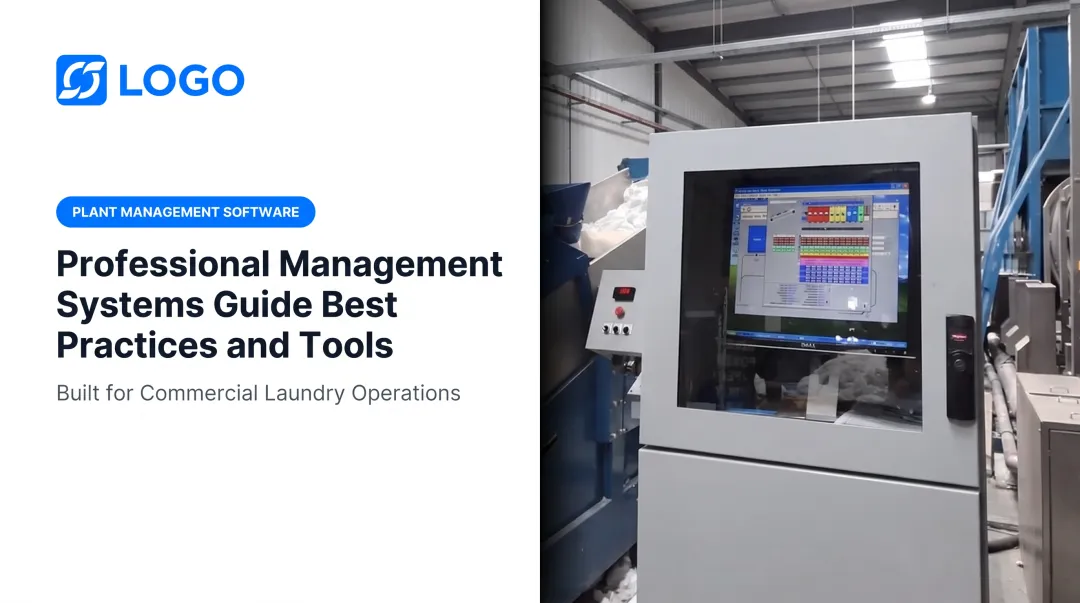
This is where Softrol's Total Plant Management and LOIS software come in. Built specifically for textile services, these systems give plant managers remote, real-time access to chemical usage, machine data, and plant performance from anywhere. That visibility creates the kind of documentation trail auditors and accreditors expect to see.
A few specifics from actual plant deployments:
- Chemical systems use flow-meter-based volumetric injection with delivery-failure alarms and washroom feedback reports
- AutoPulse and MicroPulse controls record processing data at every step as loads move between washers, dryers, and conveyors, creating a documented troubleshooting trail
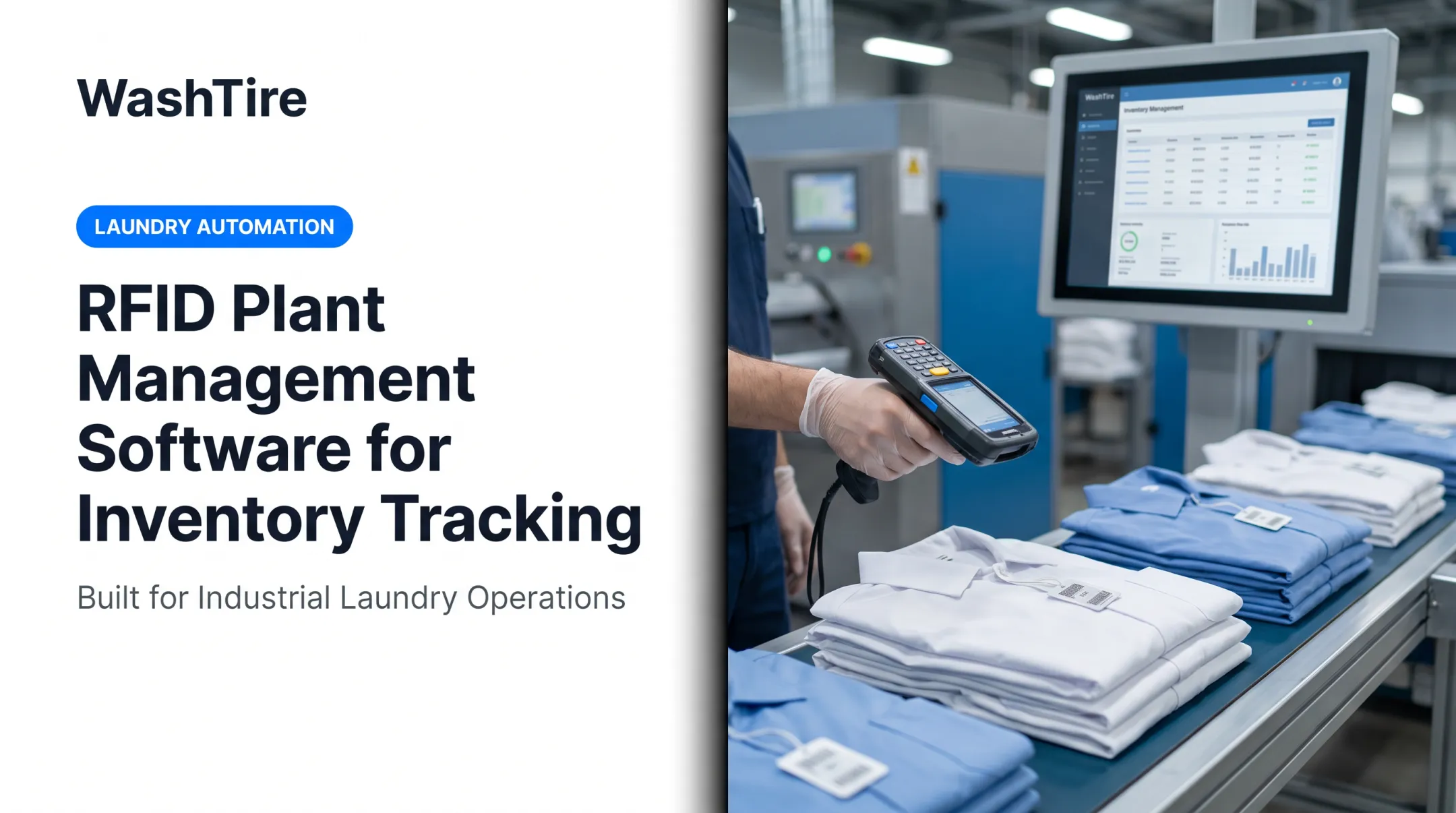
- SofTrak identifies individual garments using RFID or barcodes and logs customer history, usage counts, and delivery records for chain-of-custody purposes
Softrol's PulseNet and ChemPulse systems have automated chemical and machine control recordkeeping since 1987. The approach has been refined across decades of plant deployments, not designed from scratch for a compliance trend.
Sortation-specific tracking matters at scale too. A uniform services firm using RFID-guided automatic sorting reported a 17% labor savings and 50% increase in laundering capacity, figures that also translate into fewer manual handling errors on the compliance side.
Best Practices for Implementing an Automated Record Tracking System
Getting the software right is only half the job. Implementation determines whether it actually delivers compliance value.
- Define objectives and a retention framework first, since deploying a system on top of disorganized manual processes only automates the disorganization. Know your retention schedules and business goals before you flip the switch.
- Standardize indexing and categorization across departments so every team understands exactly how and where records are stored and retrieved, using the same classification logic company-wide.
- Invest in training and change management, because a system's compliance value depends entirely on staff following the automated workflow correctly. Software alone doesn't guarantee compliance if employees route around it.
Softrol backs this up with hands-on training on its Total Plant Management and LOIS platforms. Customers also get 24/7/365 technical support by phone or email, plus a service ticket program that documents issue resolution for future reference.
Choosing the Right Automated Record Tracking Solution for Your Business
Before committing to a platform, run through this checklist:
- Assess your record volume and regulatory exposure. Small operations with minimal regulatory obligations may see limited ROI. A handful of contracts a year might not justify full automation, but thousands of chemical logs or patient records make it non-negotiable.
- Prioritize vendors with industry-specific, turnkey solutions. Generic, one-size-fits-all software rarely accounts for sector-specific rules like OSHA chemical logs or HLAC chain-of-custody documentation. Look for ongoing support before, during, and after installation, not just a software license and a goodbye.
- Evaluate integration capability. Your tracking system needs to connect with existing plant, ERP, or clinical systems, not replace them.
- Confirm proven deployment experience. Softrol designs around a customer's current equipment rather than forcing a new setup, as shown in real deployments: interfacing with third-party soil-rail and clean-sling systems at an Aramark facility, and integrating Milnor DataFusion for automatic wash-formula transfer.
The right vendor treats integration as the starting point, not an afterthought.
Frequently Asked Questions
What are automated records management systems?
These are software platforms that automatically capture, classify, retain, and dispose of organizational records based on predefined policies. They reduce manual oversight and lower compliance risk across departments.
What system do industrial laundries use to track compliance records?
Industrial laundries typically rely on management information systems that log wash cycles, chemical usage, and shipping data automatically. These platforms create the audit trail regulators require without manual data entry.
What is SOR in software?
SOR stands for "System of Record." It's the authoritative source where an organization's official data for a given record type is maintained and referenced.
What is the purpose of a RIM program?
A Records and Information Management (RIM) program establishes the policies, retention schedules, and procedures governing how an organization creates, stores, and disposes of its records.
How long should businesses retain records for compliance purposes?
Retention periods vary by record type and regulation, such as SOX financial records or HIPAA medical files. Automated systems apply the correct schedule automatically based on how a record is classified.
What industries are legally required to use structured record tracking?
Healthcare, financial services, and industries with environmental or safety regulations, including industrial laundries handling chemicals, face mandatory recordkeeping obligations under laws like HIPAA, SOX, and OSHA.