
Introduction
A blue scrub top looks like a thousand other blue scrub tops. A medium uniform shirt looks exactly like every other medium on the rack. When you're processing thousands of nearly identical garments a day, that sameness is the problem.
Manual tracking, clipboards, spreadsheets, and eyeballing tags can't keep pace. Many fashion manufacturers, uniform makers, and industrial laundries struggle with the same recurring headaches: lost inventory, mismatched sizes and styles, slow sorting lines, and zero visibility into where a garment sits in production.
This guide breaks down garment barcode types, real benefits, label and attachment methods, implementation best practices, and where technologies like RFID and image-based code readers fit into the picture.
Key Takeaways
- Each garment gets a digital identity, trackable from cutting through delivery
- UPC, EAN, Code 128, and 2D codes suit different manufacturing or retail needs
- These systems cut errors, speed sortation, and lower labor costs at scale
- Label material and attachment method determine barcode survival during washing
- RFID and image-based readers now complement barcodes in high-speed sortation
What Is a Garment Barcode System and How Does It Work?
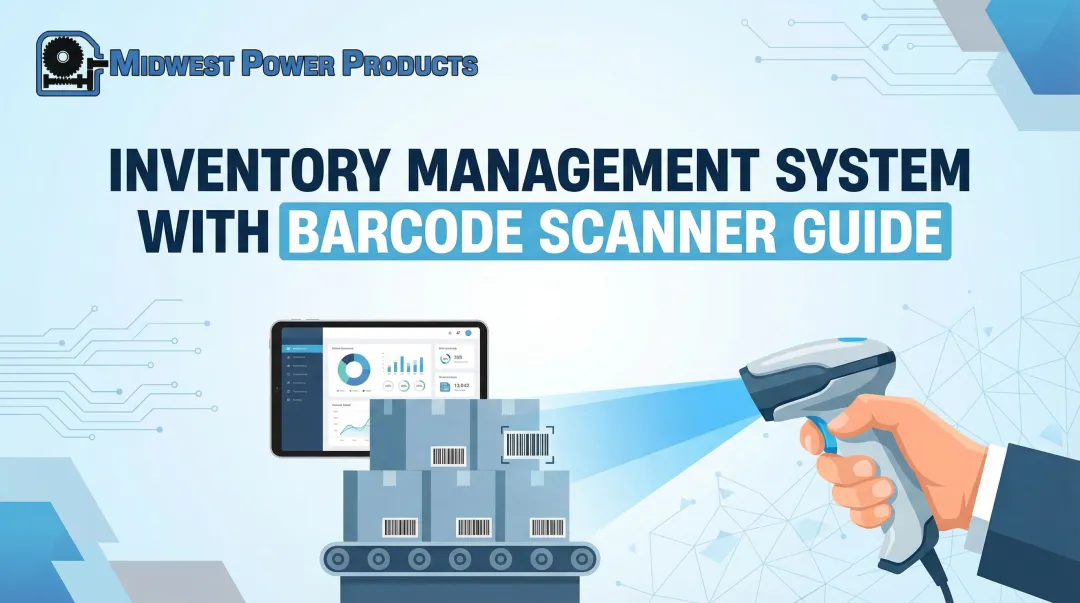
A garment barcode system uses a machine-readable label, either linear (1D) or two-dimensional, to encode a unique identifier tied to a physical garment. That identifier links to digital records in an inventory, production, or plant management system.
The basic workflow looks like this:
- Print and attach a label during manufacturing or garment entry
- Scan the garment at checkpoints: cutting, sewing, packing, receiving, sorting, or shipping
- Sync scan data to a central system, updating status in real time

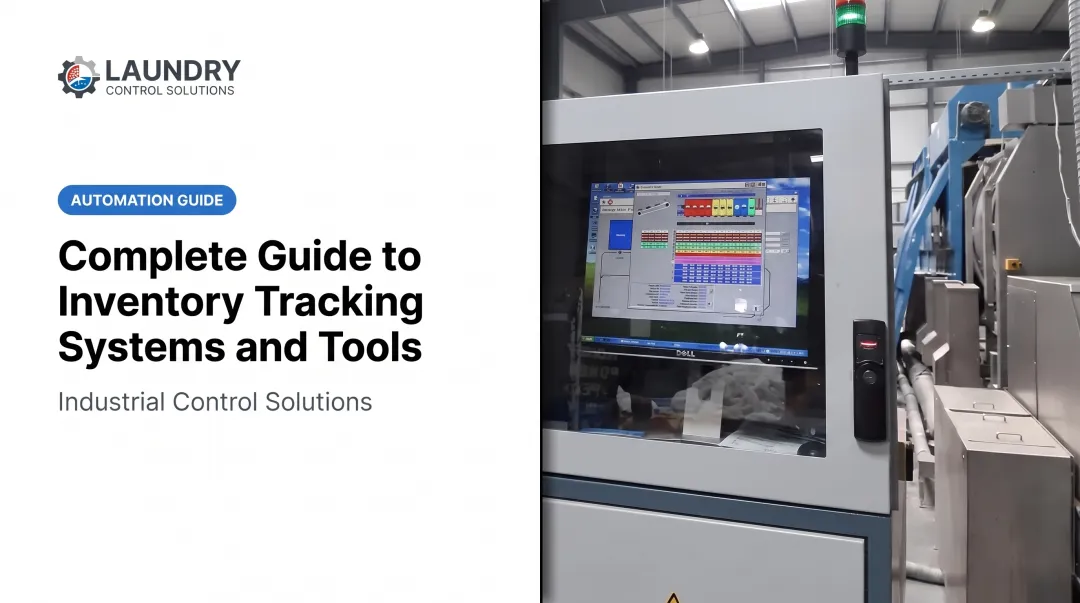
Softrol's SoftSort platform applies this same logic to industrial laundry environments, using "scan-on-the-fly" barcode and RFID technology that identifies garments without slowing the line, running at up to 3,800 garments per hour.
Information Typically Encoded in a Garment Barcode
The barcode itself, or the record it links to, typically carries:
- A unique product or style code
- Size and color variant
- Batch or lot number
- Manufacturing or processing date
- Customer or route identifier (important for uniform rental and laundry operations)
That last point matters more than it might seem. In uniform rental, a garment isn't just a "medium polo." It belongs to a specific customer, on a specific route, with a specific delivery schedule, and a mixed-up shipment can trigger customer complaints or contract penalties.
Batch or lot numbers matter too, letting quality teams trace a defect back to a specific production run instead of combing through thousands of unmarked units.
Why Manufacturers and Processors Need Digital Tracking
Barcodes bridge the physical garment and the digital system tracking it. Without that bridge, every status update depends on someone writing it down correctly, and that's where things fall apart.
Automated identification doesn't just speed things up. It also removes the repeated manual data entry that introduces mistakes in the first place. The real gains, though, depend heavily on label quality, scan discipline, and how well the software handles exceptions like a garment that fails to scan.
Types of Garment Barcodes Used in Manufacturing and Processing
The right barcode format depends entirely on the use case. Retail sale, internal manufacturing tracking, and high-speed industrial sorting each demand something different.
| Format | Data Capacity | Best Fit |
|---|---|---|
| UPC-A | 12 digits | North American retail point-of-sale |
| EAN-13 | 13 digits | Global retail point-of-sale |
| Code 128 | Variable-length alphanumeric | Internal manufacturing, batch, and logistics tracking |
| QR Code | Up to 7,089 numeric or 4,296 alphanumeric characters | Small tags, care labels, customer engagement |
| GS1 DataMatrix | Up to 3,116 numeric or 2,335 alphanumeric characters | Compact 2D data on limited label space |
1D (Linear) Barcodes: UPC, EAN, and Code 128
UPC-A and EAN-13 are the retail standards. UPC-A uses 12 digits and dominates North American point-of-sale systems, while EAN-13's 13-digit format is the global equivalent. Both are built for standardized SKU recognition at checkout, not for tracking an individual garment's journey.
Code 128 works differently. It encodes variable-length alphanumeric data. That flexibility makes it well suited for internal manufacturing and logistics use, batch numbers, work-in-progress stage codes, and other data that doesn't fit a fixed retail format.
2D Barcodes: QR Codes and Data Matrix
Two-dimensional codes pack far more data into a much smaller footprint. According to GS1's barcode standards documentation, a QR code can hold up to 7,089 numeric characters, while a GS1 DataMatrix code can hold up to 3,116.
That capacity makes 2D codes practical for small garment tags, woven-in care labels, and customer-facing features like authentication or care instructions linked through a scan. It's also why sortation systems in industrial laundry operations increasingly rely on 2D codes for automated identification.
Choosing the Right Format for Your Operation
Matching format to your equipment keeps sortation running smoothly:
- Retail-facing apparel brands typically need UPC/EAN for POS compatibility
- Manufacturers and industrial processors (uniform rental, healthcare, hospitality laundry) usually rely on Code 128 or custom 2D codes for internal batch and sortation tracking
- High-volume sortation operations increasingly pair 2D codes with image-based readers to automate identification at conveyor speed
Key Benefits of Barcode Systems for Garment Manufacturing and Processing
Automated scanning eliminates the manual data entry that slows down every checkpoint. It gives real-time visibility into stock levels and work-in-progress status instead of end-of-day guesswork.
Beyond speed, barcodes improve traceability across the supply chain. That matters for:
- Quality control and defect tracking
- Product recalls tied to a specific batch or lot
- Compliance documentation from raw material to finished garment
Production tracking benefits from the same data. Barcode scans let manufacturers monitor batch progress, confirm cutting and sewing checkpoints, and compare finished goods counts against open orders, catching shortfalls before shipment rather than after.
Sortation Speed at Industrial Scale
This is where barcode and image-based scanning make the biggest visible difference. In high-volume uniform rental and laundry operations, sortation speed determines whether a facility can keep up with daily volume at all.
Softrol's advanced image-based code readers, introduced in 2021, were built to maximize garment sortation induction efficiency, identifying garments without interrupting the operating flow.
Real-world SoftSort deployments show the impact:
- Aramark's Sacramento facility processes more than 40,000 garments per day at over 3,800 garments per hour, cutting sorting labor from 10 employees to two, a 70% workforce reduction
- Mission Linen's installation runs at 3,500 garments per hour, with labor savings equivalent to 18 full-time positions

Camera-based and chip-based sortation both push accuracy higher than manual sorting. A 2025 TRSA interview on laundry automation reported almost 100% sorting accuracy with RFID/chips and roughly 95% with camera/AI sorting, once the system was tuned for soiled rather than clean linen.
Loss prevention rounds out the benefit case. Verified SKU tracking reduces shrinkage and supports brand protection, though a barcode alone isn't a foolproof anti-counterfeit measure since a static code can be copied. Serialization and server-side validation add the real protection layer.
Garment Barcode Labels: Materials and Attachment Methods
Not every label survives a wash cycle. That's the whole game with garments processed hundreds of times, whether it's a uniform rental shirt or a hospital scrub top.
Common label types:
- Sew-on woven tags: durable, garment-integrated, ideal when the ID needs to last the garment's full life
- Iron-on/heat-seal labels: strong adhesion for industrial laundry and dry-cleaning environments
- Printed hang tags: retail SKU and brand information, typically removed before wear
- Adhesive stickers: useful for temporary work-in-progress or bundle tracking, not long-term wash survival
Material choice affects how long a label lasts:
| Material | Wash Temperature Rating | Dry Cleaning |
|---|---|---|
| Polyamide taffeta | ~60°C (domestic) | Yes |
| Polyester-cotton blend | ~90°C (industrial) | Yes |
Neither figure is universal, though. Every label construction needs testing against your plant's specific wash chemistry, temperature, and finishing process before you commit to it at scale.
Placement matters too. Labels need to sit where scanners, including the image-based code readers used in high-speed sortation, can read them reliably, but not so prominently that they disrupt how the garment wears or feels. That balance usually takes a few rounds of testing to get right.
Implementing a Garment Barcode System: Best Practices and What's Next
Rolling out a barcode system isn't just picking a symbology and printing labels. It takes a structured approach:
- Audit the current workflow - map every checkpoint from receiving through shipping and note where errors happen most
- Select the barcode format - match the format to the use case, retail SKU, internal batch, or serialized garment identity
- Test label durability and scanner readability - under real wash, handling, and lighting conditions, not just on fresh artwork
- Train staff - on scanning procedure, no-read handling, and manual override rules
- Standardize across locations - every facility and supply chain partner needs to use compatible formats, or you'll create data gaps down the line

Skipping the testing step is the most common mistake. A barcode that scans perfectly on day one can fail after 50 wash cycles if the label material wasn't matched to the process.
Barcodes vs. RFID: Complementary, Not Competing
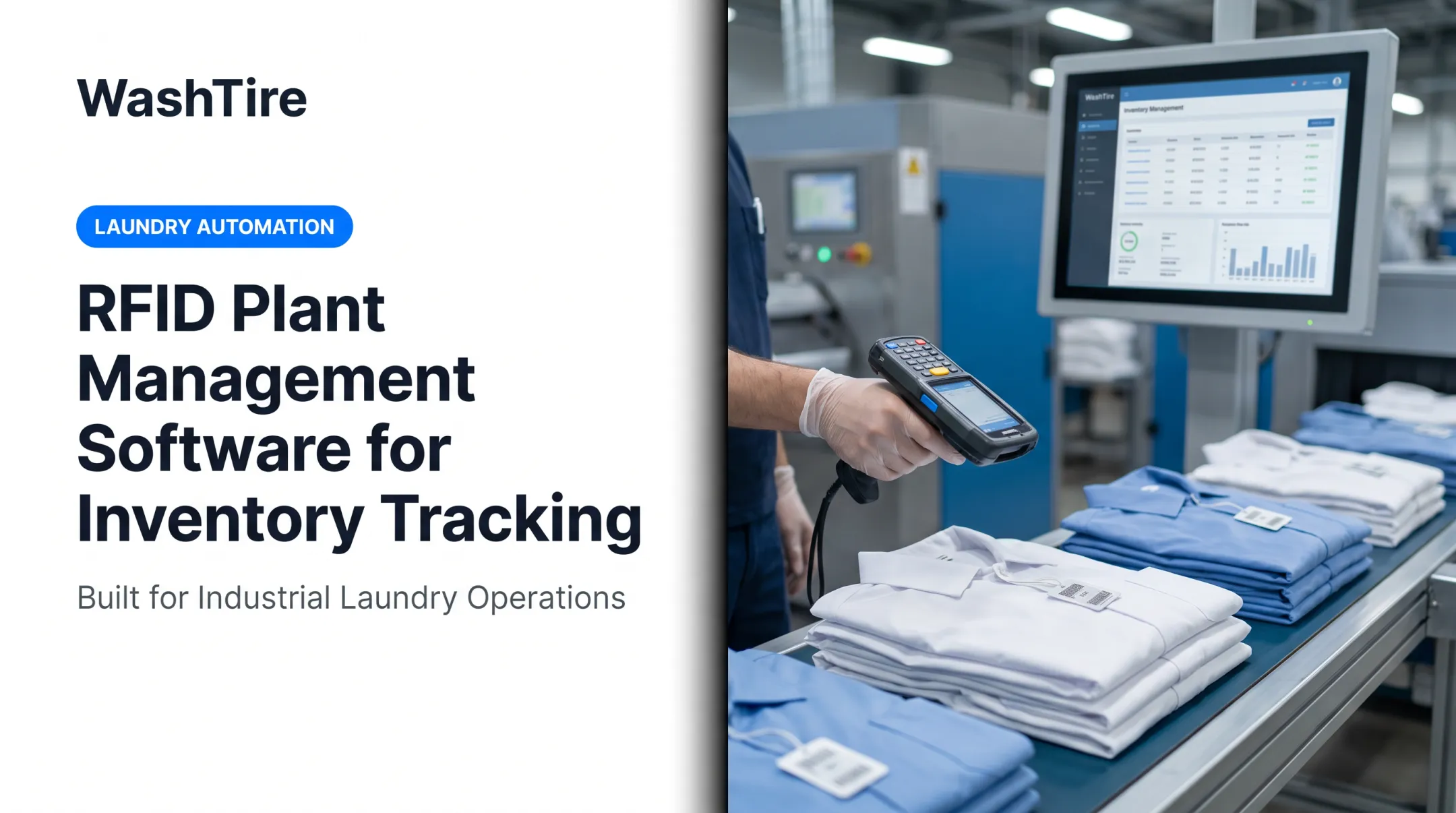
Barcode scanning requires line of sight, one garment at a time. RFID reads in bulk, with no line of sight needed, which is why laundries handling carts and bins full of linen often lean on it for unattended reads.
| Factor | Barcode/Image Reader | RFID |
|---|---|---|
| Read method | Optical, line of sight | Radio waves, no line of sight required |
| Bulk reading | Typically one at a time | Multiple tags at once |
| Best use | Detailed identification, explicit scans | Cart, portal, and bulk garment reads |
RFID adoption in apparel isn't new. A 2014 GS1 US survey found 48.2% of apparel manufacturers and 57% of retailers were already implementing item-level RFID at that time, and tag costs have dropped substantially since, putting the technology within reach of more operations.
Most operations don't pick one technology over the other. They run barcode and RFID in parallel, using barcodes for granular garment identification and RFID for hands-free bulk visibility. Softrol's SoftSort system supports both. Platforms like Total Plant Management and LOIS then extend that scan data into plant-wide client workspaces, alerts, and reporting accessible from a phone, tablet, or PC - giving managers visibility across multiple sites without walking the floor.
Frequently Asked Questions
Do clothes have barcodes?
Most retail garments carry a UPC or EAN barcode on a hang tag or sewn-in label for checkout purposes. Manufacturing and industrial laundry operations often add separate internal codes for tracking beyond the point of sale.
What's the difference between a SKU and a barcode?
A SKU is an internal identifier assigned to a specific product variant, like size and color. A barcode is the scannable symbol that encodes or links to that SKU, plus other associated data.
How much does a barcode inventory system cost?
Costs vary widely based on label type, scanner hardware, and software package. Small operations might spend a few hundred dollars monthly on software alone, while industrial-scale deployments with rugged scanners and integration run considerably higher.
What barcode type is best for garment manufacturing?
Code 128 or custom 2D codes work best for internal manufacturing and sortation tracking because they handle variable-length batch and stage data well. UPC/EAN remain better suited for retail-facing needs.
How do I implement a barcode system in a garment or laundry processing facility?
Start by auditing your current workflow, then choose a barcode format that fits your product mix. Test label durability and scanner readability under real conditions, and train staff on scanning procedures. Integrating with plant management software, such as Softrol's Total Plant Management platform, ties everything together.
Can barcode systems work alongside RFID for garment tracking?
Yes. Many operations run both in parallel, using barcodes for detailed, individual garment identification and RFID for bulk, hands-free reads at portals or on carts. The two technologies solve different problems rather than compete.