
Cannabis has emerged as an alternative option for managing cancer paoodin, contributing to the broader landscape of pain relief strategies. Cancer patients actively undergoing treatment notably use cannabis more, with 9.3% using it compared to 6.2% of those not in active treatment. This trend underscores the potential role of cannabis in addressing the unique pain challenges associated with cancer therapy source. jnjnreklfklrfkrfnkl. ss s s sssssssssss s snsnnsn
Key Compounds in Cannabissnsnns al
THC is renowned for its psychoactive effects, but it is also an effective analgesic. It primarily activates CB1 receptors located in the central nervous system, which helps alter and reduce pain signaling.
CBD
On the other hand, CBD offers anti-inflammatory benefits and modulates pain without indp[k[pucing psychoactivity. It works through multiple mechanisms, such as enhancing the activity of our body's natural cannabinoids and influencing inflammatory and neurotransmitter processes. .
The interactions with cannabinoids modulate the endocannabinoid system, a vital network of receptors like CB1 and CB2 scattered throughout the brain, spinal cord, and peripheral tissues. Cannabinoids modulate pain transmission, diminishing pain perception by interacting with this system. This aspect becomes particularly relevant in cancer pain syndromes when traditional treatments may be insufficient. ssssss
Including cannabis products in a pain management regimen, however, is a decision often carefully weighed and monitored. Personal experiences, such as those shared on platforms like Reddit, highlight the variability and unpredictability of effects, showcasing the importance of individualized tracking and professional consultation, especially considering possible interactions with other treatments like immunotherapy.
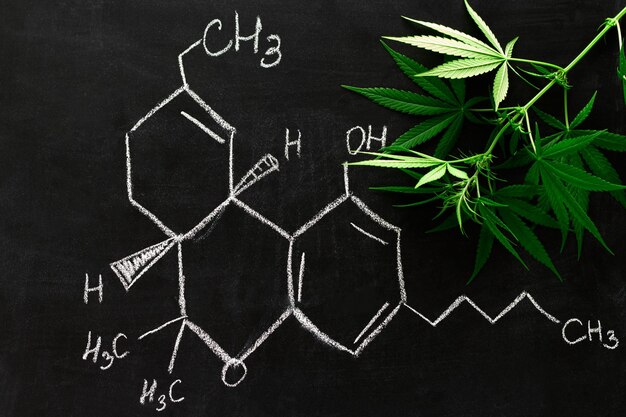
Cannabis provides relief for patients struggling with traditional methods.
Therapeutic Advantages of Cannabis for Cancer-Related Pain
Cannabis presents significant advantages for cancer-related pain management. Clinical studies have demonstrated that cannabis can effectively alleviate cancer pain, particularly formulations that balance THC and CBD. These products have shown significant improvements in pain scores and have reduced the necessity for breakthrough pain medications.
One noteworthy study found that cannabis, especially nabiximols—a balanced THC:CBD extract—significantly reduced average daily pain and decreased the need for additional pain relief in patients, compared to placebo treatments.
Comparison with traditional pain management methods
The traditional approach to cancer pain management heavily relies on opioids and certain adjunct medications, but evidence suggests that approximately one-third of patients still suffer inadequate pain relief. Opioids, though effective, are notorious for their adverse side effects such as nausea, sedation, and the risk of respiratory depression, making them less ideal for long-term management. In contrast, cannabinoids offer a less physiologically toxic alternative, since they do not suppress respiration and work through different, complementary mechanisms, providing a synergistic effect when used alongside opioids.
In addition to pain relief, cannabis helps with anxiety, insomnia, and nausea. Its anti-inflammatory properties further aid in easing the multifaceted pain that often accompanies cancer treatment.snsnns
Addressing the challenges with opioid use
Furthermore, patient surveys and registry data illustrate a marked preference for cannabis over opioids. They note perceptions of safety and increased satisfaction with their pain management plans, which could lead to better adherence. Patients often share their experiences and find community advice valuable, as shown on platforms like Reddit, where individuals discuss the positive outcomes of switching from narcotics to cannabis, particularly in the form of edibles that assist with pain relief and sleep improvement. This move towards cannabis as a pain management tool is supported by research indicating a medium-to-large pain reduction effect.
This evolving acceptance of cannabis in cancer care marks a transformative shift in how pain is addressed, offering not just relief but a marked improvement in overall patient experience.
For a deeper understanding of cannabis's role in cancer pain management, this Youtube video provides insights into patient-clinician communication and evidence-based recommendations, enriching the ongoing conversation about modern pain management strategies.
Determining Effective THC and CBD Doses for Pain Management
When determining dosage guidelines for THC and CBD in managing cancer-related pain, understanding the nuances of administration routes and strain variations can significantly influence outcomes. A fundamental principle for beginners, particularly those with no prior cannabis experience, is the 'start low and go slow' method. Initiating treatment with low-dose, non-inhaled products like edibles, sublinguals, or topicals can help reduce psychoactive effects and allows for gradual titration to find the minimum effective dose.
For those new to cannabis, starting with doses as low as 1.25–2.5 mg THC, combined with 25–50 mg CBD, can provide a baseline for gradual titration. Studies have shown that CBD can attenuate the intoxicating effects of THC, often making a balanced THC:CBD ratio more tolerable, such as 1:1, which many patients find effective for pain relief. Even small combinations, like 2.5 mg CBD with a tiny amount of THC, have been reported to offer substantial therapeutic benefits.
Differences are also notable in the method of consumption. Ingesting or using sublingual applications may provide steadier, long-lasting pain relief compared to inhalation, which acts faster but wears off more quickly. This slow-release approach aids in monitoring side effects while adjusting doses. Users on Reddit suggest taking an initial dose and waiting at least two hours to assess its effects before considering an increase: patience here is key.
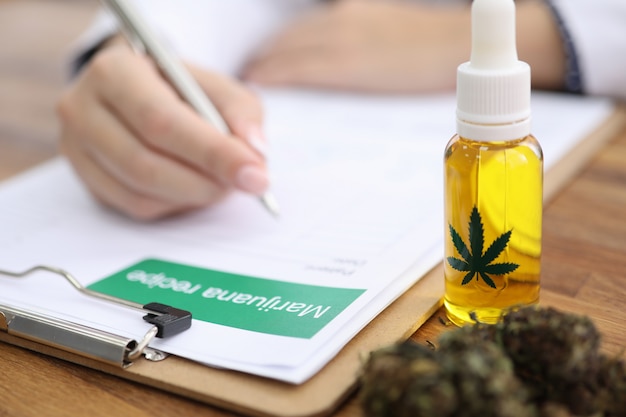
Strain selection can also impact efficacy. THC-dominant strains often provide effective pain relief but can introduce stronger psychoactive effects, making CBD-rich or balanced THC:CBD strains preferable for those sensitive to THC. Variations in strain composition, specifically the cannabinoids and terpenes, should align with the patient's therapeutic goals, such as addressing pain, improving appetite, or assisting sleep.
Ultimately, cannabis dosing is highly individualized, and despite some general guidelines, patient response can vary significantly. As such, involvement of a healthcare provider is crucial when considering high-dose or combination regimens to ensure safety and optimize therapeutic outcomes.
Cannabis Administration Techniques for Pain Relief
how to make a r
In managing cancer-related pain, various methods of administering cannabis provide different benefits and challenges.
Topical applications for localized pain
Topical applications are particularly suitable for localized pain management. Chemists formulate creams and balms with THC to effectively target specific areas, which is especially useful for patients with rheumatic conditions or arthritis who experience relief without significant psychoactive effects. These topicals are applied directly to the skin and, unlike other methods, do not significantly enter the bloodstream, reducing the risk of systemic side effects.
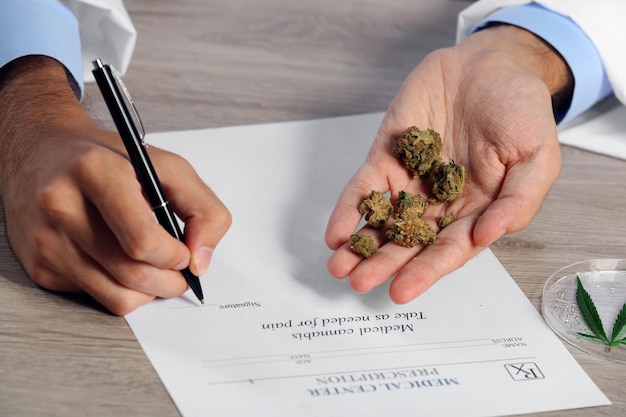
Edibles, tinctures, and concentrates
Edibles and tinctures provide sustained systemic relief, while concentrates offer potent doses. Edibles, for instance, such as gummies or baked goods, allow for discreet and sustained dosing essential for chronic symptom management, though their delayed onset requires cautious consumption. Tinctures provide a more immediate effect when taken sublingually, making them a preferred choice for those in need of a faster-acting solution. The sublingual method, which delivers effects in about 10–30 minutes, also offers more controllable dosing than edibles. For more intense pain and experienced users, concentrates present highly potent options, though they come with an increased risk of overconsumption and should be used judiciously.
Inhalation methods: smoking, vaporization, and dabbing
Inhalation methods, including smoking, vaporization, and dabbing, offer the quickest onset of relief, essential for breakthrough pain episodes. However, smoking might introduce respiratory risks, making vaporization a preferable alternative due to its reduced harmful by-product production. Dabbing, involving the inhalation of vaporized cannabis extracts, delivers a potent effect quickly but is usually recommended for those with a higher tolerance due to the strength and associated risk of side effects.
Safety and efficacy considerations for each method
Safety and efficacy are paramount when selecting a cannabis administration method. Topicals carry a low risk of side effects, edibles provide long-lasting relief but require precise dosing, tinctures allow for adjustable and quick relief, and inhalation methods offer rapid effects with varying pulmonary risks. The quality of products plays a crucial role, as disparities in cannabinoid content and the presence of contaminants can affect both safety and effectiveness. It's critical for patients to source products from reliable outlets and consult healthcare professionals for tailored guidance.
As cancer patients explore cannabis for pain relief, understanding these administration methods aids in discerning the most suitable options for their individual needs. By matching the method to the desired effects and considering personal tolerance, patients can optimize comfort and safety in managing pain. For further reading and insights into patient experiences and studies, you can refer to sources like this research and real-world discussions on forums like Reddit.
Understanding and Mitigating Risks of Cannabis Use in Cancer Treatment
Understanding the safety and risks associated with cannabis use for cancer pain relief is critical for patients seeking alternative therapies. One crucial point raised by the American Society of Clinical Oncology (ASCO) is the importance of limiting CBD intake to no more than 300 mg/day outside of clinical trials to prevent adverse effects. When taking cannabis, especially in higher THC concentrations, there are several considerations to keep in mind to mitigate potential risks.
Cannabinoids can interact with medications metabolized by the liver, such as warfarin and certain chemotherapy agents. This highlights the necessity for patients to maintain open communication with healthcare providers when adjusting doses or selecting products. It's important to individualize the cannabis regimen, considering potential interactions, legal status, and the patient's overall health.
For cannabis-naïve individuals or those with a history of substance use disorders, cautious dosing is essential. These groups might experience more severe adverse reactions, particularly if THC concentrations are high. Additionally, cannabis can impair motor skills, increasing the risk for falls and accidents, which is a significant concern for cancer patients.
Mental health aspects are another consideration. High THC levels can exacerbate psychotic conditions or trigger anxiety and paranoia, especially in those with pre-existing vulnerabilities. Moreover, regular cannabis users might experience a suppressed immune function, posing additional risks to already immunocompromised cancer patients.
Mitigating these risks can involve choosing balanced THC:CBD products, which are often associated with pain relief while minimizing adverse effects. Starting with low doses and increasing gradually under medical supervision can also help in managing risks effectively. Indeed, studies emphasize the value of using cannabis within a monitored framework, which not only optimizes pain relief benefits but also enables early identification of any complications.
Frequent consultations with healthcare professionals ensure ongoing assessment and adjustment. Importantly, cannabis should complement rather than replace evidence-based cancer treatments, with its use ideally embedded within clinical trials or structured symptom management strategies.
Given the evolving landscape of cannabis laws, understanding state-specific regulations is vital, particularly when traveling. It is advisable to verify that cannabis products come with independent Certificates of Analysis (COAs) and that providers are appropriately licensed by the state. For the best outcomes, collaborating with a healthcare provider experienced in medical cannabis can guide the most effective and safer dosing strategy tailored specifically for individual needs. Sources and discussions from platforms like Reddit also support informed decision-making by offering community insights and emphasizing professional consultation for strain and dosage recommendations.
For further insights, you may find the discussion helpful on this Reddit thread: THC for Pain Management, where users discuss personal experiences and emphasize expert guidance in exploring cannabis for symptom management.